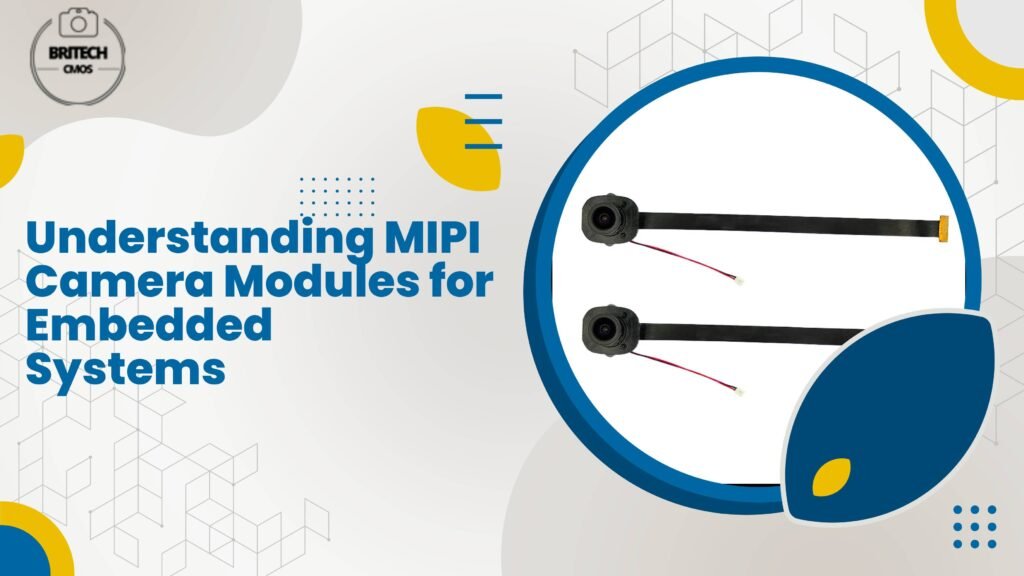
MIPI camera modules are now a vital component in contemporary electronics, providing high-speed image capture to miniature and embedded parts. Their design enables smooth integration into systems of both smartphones and industrial automation devices.
Advantages of MIPI Camera Modules
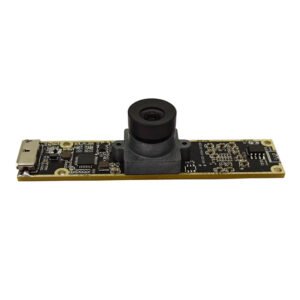
A 120FPS MIPI Camera Module is capable of managing a high frame rate while maintaining the image quality. This works great when you need simple, accurate imaging, like in robotics, motion detectors, and machine vision.
Better Sensors and Hardware for Low-Light Photos
Lots of things need to work even when it is not bright. Advances in CMOS image sensor technology, including back-side illumination (BSI), stacked sensor architectures, and improved pixel designs, have significantly increased light sensitivity while reducing noise. These sensor improvements help get more light, which translates to better image quality in low light.
Picking the Right Provider
Working with Camera Module Manufacturers that have been around the block means you will get good-quality parts, technical support, and reliable supply lines. Relying on known manufacturers can help with sensor selection, interface compatibility, and best practices of integration to certain applications.
Important Integration Considerations
For installing MIPI camera modules, one should consider aspects such as resolution, the type of sensor, lens compatibility, power usage, and thermal regulations. It should also have proper driver support and software integration to take full advantage of the high-speed capability of these modules.
Applications in Industry
The MIPI camera modules are applied in various industries, including industrial inspection, medical imaging, drones, and car systems. They are small and have high-speed performance. Thus, developers can easily implement advanced imaging solutions in a space-limited environment.
Conclusion
By selecting the appropriate MIPI camera module and collaborating with a reputable manufacturer, engineers can design high-speed imaging solutions that are effective, trustworthy, and appealing to high-level embedded systems.