BLOG

IoT and Embedded Vision Devices
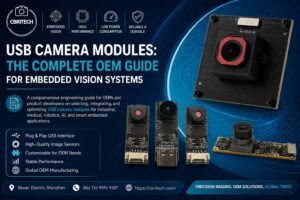
USB Camera Module
Opti Bridge Solutions

How 4K USB Camera Modules Are Shaping Modern IoT and Embedded Vision Devices

Camera technology has rapidly evolved beyond traditional webcams and consumer photography. Today, compact imaging systems are used across laptops, IoT devices, smart terminals, industrial equipment, medical systems, robotics, and embedded electronics. As demand for high-resolution imaging continues growing, developers and manufacturers are increasingly adopting compact USB camera module and IoT 4K Sony Camera Module solutions for flexible integration and stable image performance. From ultra-thin laptop cameras to embedded 4K imaging systems, modern camera modules now support: high-definition video output, low-power operation, compact PCB integration, USB and MIPI interfaces, and compatibility with embedded platforms such as Realtek, Qualcomm, STM32 Cam, and ESP32 Cam. This guide explains: what a USB laptop camera module is, how USB camera modules are used in embedded systems, why Sony 4K sensors are widely adopted, and how Shenzhen Brilliant CMOS Technology Co., Ltd. supports customized camera module development for modern imaging applications. What Is a USB Camera Module? A USB camera module is a compact imaging system designed to transmit video data through a USB interface. Unlike traditional standalone cameras, USB camera modules are built for direct integration into electronic devices and embedded systems. These modules are widely used in: laptops, smart displays, industrial devices, medical equipment, kiosks, robotics, IoT systems, and video communication products. USB camera modules are popular because they offer: simple connectivity, stable data transmission, plug-and-play support, and flexible integration options. Most modern modules support: HD or 4K resolution, autofocus or fixed focus lenses, low-light optimization, and compact board-level design. 5MP USB UVC Camera Module For Capture Document High-resolution 5MP USB camera module with UVC plug-and-play support, autofocus capability, and excellent image clarity for document capture, facial recognition, scanning, robotics, and embedded imaging applications. 5MP High Definition CMOS Sensor 2592×1944 Resolution @30FPS USB 2.0 UVC Plug & Play Interface Auto Focus & Fixed Focus Options Wide Angle Lens Support MJPEG & YUY2 Video Formats Ideal for Document Capture & Scanning Compatible with Windows, Linux, Android & Mac OS Sensor 1/4″ CMOS Sensor Resolution 2592 × 1944 Frame Rate 30FPS (MJPEG) FOV 100° Interface USB 2.0 UVC Support OS Windows / Linux / Android / Mac OS View Product USB Laptop Camera Module Applications A usb laptop camera module is specifically designed for slim notebook computers and portable devices. Laptop manufacturers require camera modules that combine: compact size, lightweight structure, stable video quality, and low power consumption. Modern laptop camera modules are used for: video conferencing, online education, remote work, facial login systems, and virtual communication platforms. As remote communication becomes more important, users increasingly expect: sharper video quality, better low-light performance, and smoother image transmission. Compact USB camera modules help manufacturers create thinner laptops without sacrificing image quality. 720P USB 2.0 UVC Camera Module For PC & Tablet Compact 1MP USB camera module with 720P HD resolution, UVC plug-and-play support, and stable image performance for PC, tablet, embedded, and smart device applications. 1MP 1280×720 HD Resolution USB 2.0 UVC Drive-Free Interface MJPEG & YUY2 Video Formats 60° Wide Angle Lens Auto Focus & Fixed Focus Support Compact 62mm Slim Design Compatible with Windows, Linux & Android Ideal for PC, Tablet & Embedded Devices Sensor 1/4″ CMOS Sensor Resolution 1280×720P Frame Rate 720P @30FPS Interface USB 2.0 UVC FOV 60° Support OS Windows / Linux / Android View Product Why Sony 4K Camera Sensors Are Widely Used The demand for sony 4k camera technology continues to grow across professional imaging and embedded vision applications. Sony image sensors are widely recognized for: image clarity, low-light performance, color accuracy, and stable video output. Because of these advantages, Sony-based camera modules are commonly used in: industrial cameras, smart surveillance systems, embedded vision devices, medical imaging, broadcasting equipment, and IoT products. 4K resolution provides: sharper image detail, improved zoom capability, and clearer visual output for professional applications. This is especially important in: smart monitoring systems, machine vision, industrial inspection, and high-resolution streaming devices. Sony IMX298 4K 16MP USB Camera Module High-resolution 16MP USB camera module powered by the Sony IMX298 CMOS Sensor, delivering excellent image quality, 4K video output, and plug-and-play USB connectivity for industrial and smart imaging applications. 16MP Sony IMX298 CMOS Sensor 4K Ultra HD Resolution Support USB 2.0 UVC Plug & Play Interface Auto Focus & Manual Focus Options 80°–100° Custom FOV Support MJPEG & YUY2 Video Formats Excellent Low Noise Image Quality Ideal for Document & Text Capture Sensor Sony IMX298 1/2.8″ CMOS Resolution 4656×3496 Video Output 4K @30FPS Interface USB 2.0 Focus Type Auto / Manual Focus Support OS Windows / Linux / Android View Product   What Makes the Best Sony Camera Module? When developers search for the best sony camera solution for embedded systems, they usually focus on several important factors. Image Sensor Quality A high-quality Sony sensor helps improve: image sharpness, low-light visibility, and dynamic range. Stable Video Output Reliable image transmission is critical for: industrial monitoring, streaming systems, medical devices, and embedded electronics. Compact Design Modern electronics require: miniature camera modules, lightweight PCB layouts, and flexible integration support. Interface Compatibility Many embedded systems require: USB interface support, MIPI integration, and compatibility with Realtek, Qualcomm, STM32 Cam, and ESP32 Cam platforms. 4K Video Capability 4K imaging is increasingly important for: professional video systems, AI vision devices, IoT products, and industrial imaging applications. IoT 4K Sony Camera Module Applications An IoT 4K Sony Camera Module combines high-resolution imaging with compact embedded integration. These modules are widely used in: smart home systems, IoT security devices, industrial automation, smart retail equipment, robotics, and edge computing devices. Modern IoT imaging systems require: low-power operation, compact camera hardware, stable data transfer, and flexible embedded compatibility. 4K Sony camera modules are often selected because they provide: high-definition image capture, efficient image processing, and reliable long-term performance. 12MP 4K Sony IMX362 MIPI Camera Module Advanced 12MP 4K MIPI camera module powered by the Sony IMX362 CMOS Sensor, delivering clear image quality, low noise performance, and compact integration for smart devices and embedded vision applications. 12MP Sony IMX362 1/2.55″ CMOS Sensor 4K Resolution 4000×3000 @30FPS MIPI 30-Pin Interface

Read More »
Face Recognition Camera
Opti Bridge Solutions

How Compact Camera Modules Are Transforming Smart Security and Embedded Vision

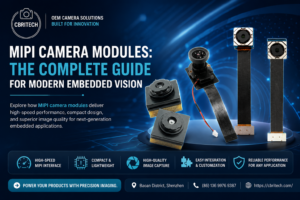
Camera technology continues to evolve across smart security, embedded electronics, wildlife observation, and industrial imaging applications. From compact smart doorbells to embedded development boards and specialized monochrome imaging systems, modern camera modules are now designed for flexibility, image quality, and efficient integration. Today, developers and manufacturers are searching for reliable imaging solutions that support: compact device integration, stable image transmission, low power consumption, MIPI camera compatibility, and support for embedded platforms such as STM32, Realtek, Qualcomm, and ESP32 systems. This article explains: how a face recognition camera works, the growing demand for bird watching camera systems, the role of a monochrome camera in imaging applications, the importance of STM32 MIPI Camera integration, and why IR Cut technology matters in video doorbell cameras. It also explores how Shenzhen Brilliant CMOS Technology Co., Ltd. supports OEM and customized camera module development for embedded vision and smart imaging applications. What Is a Face Recognition Camera? A face recognition camera is a camera system designed to capture facial images for identification or verification purposes. These cameras are commonly used in: smart access control, office attendance systems, building entry systems, smart door locks, retail monitoring, and embedded security devices. Face recognition systems rely heavily on: image clarity, accurate color capture, stable video transmission, and compact camera module design. A high-quality camera sensor helps improve image consistency under different lighting conditions, which is important for reliable face detection and image processing. Modern face recognition cameras are often integrated into: smart terminals, embedded Linux systems, IoT devices, and compact edge devices. 1080P Wide Dynamic USB Camera Module For Face Recognition High-performance Full HD USB camera module powered by the PS5268 CMOS Sensor, designed for face recognition, intelligent access control, video door phones, surveillance systems, and AI imaging applications. 2MP PS5268 CMOS Sensor 1920×1080 Full HD Resolution Wide Dynamic Range up to 95dB 85° Wide Angle Lens USB 2.0 UVC Standard Interface Supports Face Recognition Applications Low-Light Performance up to 0.01Lux Compatible with Windows, Linux & Android Sensor PS5268 1/2.7″ CMOS Resolution 1920×1080P Dynamic Range 85dB / 95dB Interface USB 2.0 Lens FOV 85° Support OS Windows / Linux / Android View Product Why Camera Module Quality Matters in Face Recognition Systems Image quality directly affects the performance of face recognition applications. Poor imaging can reduce: facial detail visibility, low-light performance, and recognition accuracy. For this reason, developers often prefer compact CMOS camera modules with: HD image support, low-light optimization, wide dynamic range, and MIPI interface compatibility. Shenzhen Brilliant CMOS Technology Co., Ltd. develops camera modules suitable for embedded vision systems and smart imaging devices. Their camera solutions support multiple development platforms, including: Realtek platforms, Qualcomm platforms, STM32 Cam, and ESP32 Cam. This flexibility allows manufacturers to integrate camera functionality into custom security and embedded products more efficiently. Bird Watching Camera Systems and Outdoor Imaging The demand for bird watching camera systems has increased significantly among wildlife enthusiasts, researchers, and outdoor monitoring users. Bird watching cameras are designed to capture: bird movement, outdoor activity, nesting behavior, and wildlife observation footage. These cameras are commonly used in: gardens, forests, parks, nature reserves, and remote outdoor environments. Key features often include: high-resolution imaging, zoom capability, weather-resistant housing, motion activation, and low-light recording. Compact camera modules are especially important for portable and battery-powered wildlife monitoring devices. 4MP CMOS Sensor GC4663 GC4653 IR CUT MIPI Camera Module High-performance 4MP MIPI camera module powered by the GC4663 / GC4653 CMOS Sensor, designed with IR CUT technology for both daytime and night vision applications in security, IoT, robotics, and smart devices. 4MP GC4663 / GC4653 1/3″ CMOS Sensor 2560×1440 Resolution @30FPS IR CUT Support for Day & Night Vision MIPI Interface for Embedded Systems 80° Wide Angle Lens Fixed Focus & Autofocus Options Compact 8.5×8.5MM Design Ideal for Security, IoT & Robot Vision Sensor GC4663 / GC4653 1/3″ CMOS Resolution 2560×1440 @30FPS FOV 80° Interface MIPI Focus Type Fixed Focus / Autofocus Application Security, IoT, Robot Vision View Product   Why Monochrome Cameras Are Used in Imaging Systems A monochrome camera captures images in black and white rather than color. Although color cameras are common, monochrome imaging still plays an important role in: industrial inspection, scientific imaging, barcode scanning, machine vision, and low-light applications. Monochrome cameras are preferred in some environments because they can provide: higher light sensitivity, sharper contrast, improved detail detection, and cleaner image output. These advantages make monochrome camera modules useful in: industrial automation, medical devices, embedded vision systems, and smart monitoring products. Compact monochrome CMOS modules are also widely used in custom OEM imaging projects. 4MP GC4663 GC4653 IR CUT MIPI Camera Module Advanced 4MP MIPI camera module using the GC4663 / GC4653 CMOS Sensor, designed with IR CUT technology for both daytime and night vision performance in security, IoT, robotics, and smart imaging systems. 4MP GC4663 / GC4653 1/3″ CMOS Sensor 2560×1440 Resolution @30FPS IR CUT Day & Night Vision Support MIPI Interface for Embedded Devices 80° Wide Angle Lens Fixed Focus & Autofocus Support Compact 8.5×8.5MM FPC Design Ideal for Security, IoT & Robot Vision Sensor GC4663 / GC4653 1/3″ CMOS Resolution 2560×1440 @30FPS FOV 80° Focus Type Fixed Focus / Autofocus Interface MIPI Applications Security, Smart Home, Robot Vision View Product   STM32 MIPI Camera Integration for Embedded Development The growing popularity of embedded electronics has increased demand for STM32 MIPI Camera solutions. STM32 platforms are widely used in: IoT devices, smart electronics, portable equipment, industrial systems, and low-power embedded applications. MIPI camera interfaces are important because they support: high-speed image transmission, compact hardware integration, reduced power consumption, and stable image communication. Developers often choose STM32 MIPI camera modules for projects requiring: compact PCB layouts, lightweight hardware, and embedded image processing. Shenzhen Brilliant CMOS Technology Co., Ltd. provides customized MIPI camera module solutions compatible with: STM32 systems, Realtek platforms, Qualcomm platforms, and ESP32 Cam development environments. Their engineering team supports: interface customization, lens optimization, compact board design, and embedded camera integration. 5MP Fixed Focus OV5640 / OV5648 IR CUT Camera Module High-resolution 5MP IR-CUT camera module

Read More »
Endoscope Camera
Endoscope Camera Module
Opti Bridge Solutions

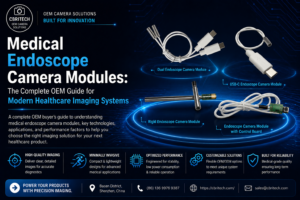
Endoscope Camera Guide: Medical Imaging, USB Endoscope Cameras, and Intraoral Dental Camera Applications

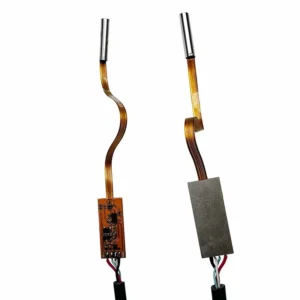
Modern imaging technology has transformed the healthcare and inspection industries. From hospital diagnostics to dental examinations and industrial inspection systems, the demand for compact, high-resolution camera modules continues to grow. Today, the endoscope camera market includes a wide range of applications such as: medical imaging, minimally invasive diagnostics, dental visualization, industrial inspection, and embedded camera systems. As imaging devices become smaller and more advanced, manufacturers are focusing on high-quality CMOS camera modules that deliver clear images, stable transmission, and compact integration. This guide explains: what an endoscope camera is, how medical endoscope cameras work, the role of USB endoscope cameras, applications of intraoral dental cameras, and how Shenzhen Brilliant CMOS Technology Co., Ltd. supports customized camera module development for medical and embedded imaging systems. What Is an Endoscope Camera? An endoscope camera is a compact imaging device designed to capture visuals inside areas that are difficult to access directly. Endoscope cameras are commonly used in: medical diagnostics, dental procedures, industrial inspections, automotive maintenance, and electronic equipment inspection. These cameras are usually attached to flexible or rigid tubes that allow users to inspect internal spaces while viewing real-time images on a display device. Modern endoscope systems often include: HD image sensors, LED illumination, compact CMOS modules, flexible cable designs, and digital image transmission. Because of their small size and image clarity, endoscope cameras are widely used in both healthcare and industrial environments. OV9734 USB 720P OD3.3MM Medical Endoscope Camera Module Compact 3.3MM USB medical endoscope camera module powered by the OV9734 CMOS Sensor, designed for medical and industrial imaging applications including GI, arthroscopy, laryngoscope, hysteroscopy, dental, and video insertion systems. 1MP OV9734 CMOS Sensor 1280×720P @30FPS HD Resolution Ultra Slim Φ3.3MM Stainless Steel Sleeve 100° / 120° / 140° Wide Angle Options 4PCS Integrated LED Lights USB Interface with Stable Video Output Shortest Focus Distance up to 3MM Designed for Medical Endoscope Systems Sensor OV9734 1/9″ CMOS Resolution 1280×720P Diameter Φ3.3MM Camera Length 13MM LED 4PCS LED Interface USB View Product   Endoscope Camera Medical Applications The use of endoscope camera medical systems has increased significantly in modern healthcare. Medical endoscope cameras help doctors and healthcare professionals perform minimally invasive examinations while improving diagnostic accuracy. Common medical applications include: gastrointestinal examinations, ENT procedures, urology, laparoscopy, bronchoscopy, and surgical imaging. Medical imaging systems require: high-resolution image output, accurate color reproduction, compact camera design, and stable real-time video transmission. A high-quality medical endoscope camera helps physicians view internal structures more clearly while reducing patient discomfort during procedures. 3.9mm 720P Endoscope Camera Module USB Compact waterproof USB endoscope camera module powered by the OV9734 CMOS Sensor, designed for Android, Windows PC, and Linux systems. Features adjustable LED brightness and IP67 waterproof protection for industrial and inspection applications. 1MP OV9734 1/9″ CMOS Sensor 1280×720P HD Resolution @30FPS Ultra Slim Φ3.9MM Stainless Steel Sleeve 100° / 120° Wide Angle Lens Options 6PCS Adjustable LED Lights USB UVC Standard Output IP67 Waterproof Design Compatible with Android, Windows & Linux Sensor OV9734 1/9″ CMOS Resolution 1280×720P Diameter Φ3.9MM LED 6PCS Adjustable LEDs Output USB (UVC Standard) Waterproof IP67 View Product Why Medical Endoscope Cameras Require Advanced CMOS Modules At the core of every medical endoscope camera is the CMOS image sensor. Image quality is critical in medical environments because physicians rely on precise visualization for diagnosis and treatment. Important camera module features include: high-definition imaging, low-light performance, miniature sensor size, low latency transmission, and stable image processing. Compact camera modules are especially important for minimally invasive devices where space is limited. Shenzhen Brilliant CMOS Technology Co., Ltd. develops customized CMOS camera modules suitable for: medical imaging devices, endoscopic systems, dental imaging products, and embedded vision applications. Their engineering capabilities support integration with multiple hardware platforms, including: Realtek platforms, Qualcomm platforms, STM32 Cam, and ESP32 Cam. This flexibility helps OEM manufacturers and device developers integrate compact imaging systems into custom medical and inspection equipment. OEM 720P OV9734 3.9MM Endoscope USB Camera Module High-performance 3.9MM endoscope USB camera module powered by the OV9734 CMOS Sensor, designed for ENT, dental, industrial inspection, and embedded imaging applications with multiple lens and depth-of-field options. 1MP OV9734 1/9″ CMOS Sensor 1280×720P HD Resolution @30FPS Ultra Slim Φ3.9MM Camera Module 70° / 88° / 100° / 120° / 140° Lens Options Optional 4PCS or 6PCS LED Lights USB Output with WiFi Support IP20 & IP67 Waterproof Options Suitable for ENT, Dental & Industrial Inspection Sensor OV9734 1/9″ CMOS Resolution 1280×720P @30FPS Diameter Φ3.9MM FOV 70° / 88° / 100° / 120° / 140° Waterproof IP20 / IP67 Output USB / WiFi Support View Product USB Endoscope Camera: Portable and Easy-to-Use Imaging A usb endoscope camera is designed for simple digital connectivity and portable imaging applications. These cameras typically connect directly to: laptops, desktop computers, tablets, or compatible smartphones. USB endoscope cameras are popular because they offer: plug-and-play installation, real-time viewing, easy image capture, and portable inspection capability. Common uses include: pipe inspection, automotive repair, electronics maintenance, industrial inspection, and non-surgical visual examinations. Many USB endoscope cameras also support: adjustable LED lighting, HD image capture, waterproof cable designs, and flexible viewing angles. Because of their convenience, USB-based imaging systems continue to grow in both commercial and consumer markets. 720P 3.5MM Integrated Type USB Endoscope Camera Module Compact 3.5MM USB endoscope camera module powered by the OV9734 CMOS Sensor, designed for industrial inspection, medical imaging, dental, ENT, ear, and laryngoscope applications. 1MP OV9734 1/9″ CMOS Sensor 1280×720P HD Resolution @30FPS Ultra Slim Φ3.5MM Stainless Steel Sleeve 100° / 120° / 140° / 70° Lens Options 4PCS LED with Adjustable Brightness USB & Type-C Output Support Compatible with Windows, Linux & Android Ideal for Medical & Industrial Endoscopy Sensor OV9734 1/9″ CMOS Resolution 1280×720P Diameter Φ3.5MM LED 4PCS Adjustable LEDs Output USB / Type-C Support OS Windows / Linux / Android View Product   Intraoral Camera Dental Applications An intraoral camera dental device is a small imaging camera used by dentists to capture detailed images inside a patient’s mouth. These cameras help improve: patient communication, treatment planning,

Read More »
spy camera wireless mini
Mini Camera Spy Cam
Opti Bridge Solutions

Mini Camera Spy Cam Guide: Features, Uses, and How to Choose the Best Hidden Cameras

Hidden surveillance technology has become more compact, practical, and widely used in recent years. Whether for home monitoring, office security, retail observation, or embedded device development, demand for the mini camera spy cam market continues to grow globally. Today’s users are looking for small, reliable, and wireless monitoring solutions that are easy to install and discreet in design. From portable indoor monitoring devices to embedded camera modules for smart electronics, hidden cameras are now used across both consumer and industrial applications. This guide explains: what a mini spy camera is, how wireless hidden cameras work, important features to consider, common applications, and how manufacturers like Shenzhen Brilliant CMOS Technology Co., Ltd. support OEM and embedded camera development. What Is a Mini Camera Spy Cam? A mini camera spy cam is a compact surveillance camera designed for discreet monitoring and video recording. These cameras are typically small enough to fit inside everyday objects or compact electronic devices. Most mini spy cameras support features such as: HD video recording Motion detection Loop recording Wireless connectivity Remote viewing Night vision Micro SD card storage Unlike traditional CCTV systems, mini hidden cameras focus on portability and flexible installation. They are commonly used in: homes, offices, warehouses, retail stores, vehicles, smart devices, and industrial monitoring systems. Why Wireless Hidden Cameras Are Popular The biggest reason users prefer spy camera wireless mini devices is convenience. Wireless cameras eliminate complex wiring and allow users to monitor spaces remotely through smartphones or computers. Modern wireless hidden cameras often include: WiFi connectivity Mobile app support Real-time video streaming Motion alerts Cloud or local storage Rechargeable battery options Because of their compact size, these cameras can be placed in locations where larger security systems are difficult to install. Best Hidden Cameras: What Features Matter Most? When searching for the best hidden cameras, buyers usually compare several important features. Video Quality Clear image quality is essential for effective monitoring. Most users now prefer: 1080P Full HD 2K resolution Wide-angle lenses Low-light performance Higher resolution helps capture clearer details in indoor and outdoor environments. Wireless Connectivity For remote monitoring, stable WiFi connectivity is important. A good spy camera hidden wifi setup should support: real-time viewing, remote playback, stable signal transmission, and secure mobile access. Wireless functionality also simplifies installation in homes and offices. 1080P IP MINI WIFI Camera Module Compact 2MP Full HD WiFi Camera Module with 1080P resolution, Android & Windows APP support, remote monitoring, and multi-camera synchronization support. View Product   Motion Detection Motion detection helps save storage space and improves monitoring efficiency. Instead of recording continuously, the camera records only when movement is detected. This feature is widely used in: home security, office surveillance, retail monitoring, and warehouse observation. Compact Design One of the main advantages of a mini camera is discreet installation. Compact hidden cameras can be integrated into: clocks, shelves, smoke detectors, smart devices, USB chargers, and industrial equipment. Smaller designs make monitoring less noticeable while improving installation flexibility. Night Vision Capability Low-light recording is important for indoor and nighttime monitoring. Many hidden security cameras now include: infrared LEDs, low-light sensors, and automatic night mode switching. This allows continuous monitoring even in dark environments. Common Uses of Hidden Security Cameras The use of hidden security cameras has expanded beyond residential security. Today, hidden cameras are widely used in several industries. Home Security Homeowners use mini cameras for: entrance monitoring, child safety, elderly care, and indoor surveillance. Wireless access allows users to monitor their homes remotely. Office and Workplace Monitoring Businesses often use hidden cameras for: office security, asset protection, employee safety, and access monitoring. Compact cameras are especially useful in small office spaces. Retail and Store Monitoring Retail stores use mini surveillance systems to: reduce theft, monitor customer activity, and improve store security. Discreet camera placement helps maintain natural customer behavior Industrial Monitoring Applications Modern industrial security cameras are also used in: factories, warehouses, production lines, and equipment monitoring systems. Industrial environments usually require: stable image transmission, durable hardware, compact integration, and reliable long-term operation. The Growing Demand for Embedded Camera Modules As smart electronics and IoT devices continue growing, manufacturers increasingly require compact camera modules for embedded systems. Shenzhen Brilliant CMOS Technology Co., Ltd. develops camera module solutions for: surveillance devices, industrial equipment, smart electronics, IoT products, and embedded vision applications. Their camera modules support multiple development platforms, including: Realtek platforms Qualcomm platforms STM32 Cam ESP32 Cam This compatibility helps developers integrate camera functionality into custom hardware and smart monitoring systems. Why CMOS Camera Modules Matter At the core of most hidden surveillance products is the CMOS camera module. A high-quality CMOS module affects: image clarity, low-light performance, power consumption, and device size. Compact CMOS modules are widely used in: mini wireless cameras, portable monitoring devices, industrial systems, and embedded electronics. Manufacturers often customize camera modules based on: lens requirements, board size, interface type, resolution, and platform compatibility. How to Choose the Right Spy Camera Hidden WiFi Device Before purchasing a hidden wireless camera, users should consider the intended application. For Home Use Choose: easy installation, mobile viewing, motion detection, and night vision. For Office Monitoring Focus on: stable recording, wide-angle coverage, and reliable storage. For Industrial Applications Look for: durable camera modules, stable performance, compact integration, and embedded platform support. OEM and Custom Camera Development Many businesses today require customized surveillance hardware instead of off-the-shelf products. Shenzhen Brilliant CMOS Technology Co., Ltd. supports OEM and ODM camera module development for various applications. Their services include: custom camera module design, embedded camera integration, wireless camera development, industrial imaging solutions, and platform-specific customization. Support for platforms such as: Realtek, Qualcomm, STM32 Cam, and ESP32 Cam helps manufacturers accelerate development for smart monitoring devices and embedded products. Frequently Asked Questions What is a mini camera spy cam used for? Mini spy cameras are commonly used for home security, office monitoring, retail observation, and portable surveillance applications. How do wireless hidden cameras work? Wireless hidden cameras use WiFi connectivity to transmit video to smartphones, computers, or cloud storage

Read More »
Thermal Imaging, Thermal Drones
thermal imaging cameras
Opti Bridge Solutions

Complete 2026 Guide to Thermal Imaging, Thermal Drones & FPV Camera Technology

What is a Thermal Imaging Camera? A thermal imaging camera is not just another fancy gadget—it’s a revolutionary piece of technology that allows you to “see” heat instead of visible light. Imagine walking into a pitch-dark room and still being able to identify objects, living beings, or even heat leaks in a building. That’s exactly what thermal cameras do. They detect infrared radiation emitted by objects and convert it into a visual image that represents temperature differences. This makes them incredibly valuable in situations where traditional cameras fail, such as in smoke, fog, or total darkness. The growing demand for such devices is no coincidence. According to recent industry reports, the global thermal imaging market was valued at around USD 14.9 billion in 2025 and is projected to reach USD 41.3 billion by 2035, growing at a CAGR of 10.8% . That’s massive growth, driven by applications in defense, healthcare, industrial inspection, and even smart homes. Today, companies like Shenzhen Brilliant CMOS Technology are pushing boundaries by offering compact, high-resolution thermal modules suitable for drones and embedded systems. What makes thermal imaging truly fascinating is its versatility. Whether it’s firefighters locating victims in smoke-filled buildings or engineers identifying overheating components in machinery, this technology has become indispensable. And the best part? It’s becoming more affordable and accessible every year, making it a must-have tool across industries. Evolution of Drone Camera Systems Drone cameras have come a long way from basic aerial photography tools to highly sophisticated imaging systems. Initially, drones were used mainly for recreational photography, but today, they are equipped with cutting-edge technologies like thermal sensors, AI-based tracking, and FPV (First Person View) modules.  This evolution has transformed drones into powerful tools for industries ranging from agriculture to defense. The numbers tell an exciting story. The global drone camera market was valued at USD 12.65 billion in 2025 and is expected to reach USD 54.38 billion by 2034, growing at an impressive CAGR of 17.6%. This explosive growth is fueled by increasing demand for aerial data, surveillance, and automation. Today’s drones are no longer just flying cameras—they are intelligent systems capable of real-time analysis and decision-making. Modern drone camera systems integrate multiple sensors, including RGB, thermal, and multispectral cameras. This multi-sensor approach allows users to capture comprehensive data in a single flight. For example, a thermal drone can detect heat anomalies while simultaneously recording high-resolution video, making it invaluable for inspections and rescue missions. The evolution doesn’t stop here. With advancements in miniaturization and AI, drone cameras are becoming smarter, lighter, and more efficient. Companies like Shenzhen Brilliant CMOS Technology are at the forefront, developing high-performance camera modules that power next-generation drones. Understanding Thermal Imaging Technology How Thermal Cameras Work At the heart of every thermal imaging camera lies a simple yet powerful concept: detecting infrared radiation. Every object with a temperature above absolute zero emits infrared energy. Thermal cameras capture this energy using specialized sensors and convert it into a visual representation, often displayed as a heat map with varying colors. The process begins with an infrared detector, which captures the radiation emitted by objects. This data is then processed by an onboard microprocessor to create an image where different colors represent different temperatures. For instance, warmer objects might appear in red or yellow, while cooler ones appear in blue or purple. This allows users to instantly identify temperature differences without needing physical contact. One of the biggest advantages of thermal imaging is its ability to function in complete darkness. Unlike traditional cameras that rely on visible light, thermal cameras work independently of lighting conditions. This makes them ideal for nighttime surveillance, search and rescue operations, and wildlife monitoring. Additionally, modern thermal cameras are equipped with advanced features like radiometric measurement, which allows users to measure exact temperatures, and image fusion, which combines thermal and visible images for better clarity. These innovations have significantly enhanced the usability and accuracy of thermal imaging systems. Types of Thermal Sensors Thermal sensors are the backbone of thermal imaging systems, and they come in two main types: cooled and uncooled sensors. Each type has its own advantages and is suited for specific applications. Uncooled sensors are the most common and are widely used in commercial applications. They operate at ambient temperatures and are relatively affordable, compact, and energy-efficient. This makes them ideal for applications like building inspections, security systems, and consumer drones. Despite being less sensitive than cooled sensors, advancements in technology have significantly improved their performance. Cooled sensors, on the other hand, are designed for high-end applications that require extreme sensitivity and precision. These sensors are cooled to very low temperatures, which reduces noise and enhances image quality. They are typically used in military, aerospace, and scientific research applications. However, they are more expensive and require more maintenance compared to uncooled sensors. Choosing the right sensor depends on the intended use. For most commercial applications, uncooled sensors provide a perfect balance between performance and cost. Companies like Shenzhen Brilliant CMOS Technology specialize in developing high-quality thermal modules that cater to a wide range of applications, ensuring optimal performance without breaking the bank. Market Growth & Industry Trends Global Thermal Imaging Market Insights The thermal imaging industry is experiencing unprecedented growth, driven by technological advancements and increasing demand across multiple sectors. From security and surveillance to healthcare and industrial automation, thermal imaging is becoming a critical tool for modern operations. Recent data shows that the market is expanding rapidly, with strong demand in defense, automotive, and industrial sectors. Thermal cameras are now being integrated into smart devices, autonomous vehicles, and IoT systems, further boosting their adoption. This trend is expected to continue as technology becomes more affordable and accessible. Another key driver of growth is the increasing focus on safety and efficiency. Thermal imaging allows organizations to detect issues before they become critical, reducing downtime and improving operational efficiency. For example, industries use thermal cameras for predictive maintenance, identifying overheating components before they fail. Asia-Pacific is emerging as the fastest-growing region

Read More »
Ultimate Guide to Endoscope Cameras
USB Camera Module
Opti Bridge Solutions

Ultimate Guide to Endoscope Cameras: Medical, Dental & USB Imaging Technology

Introduction to Endoscope Cameras What is an Endoscope Camera? An endoscope camera is one of those technologies that quietly revolutionized how we see the unseen. Imagine trying to inspect a narrow pipe, diagnose an internal medical condition, or examine a tooth cavity without cutting anything open—sounds impossible, right? That’s exactly where these compact imaging tools come into play. An endoscope camera is essentially a small, high-resolution camera attached to a flexible or rigid tube that allows users to visualize internal spaces that are otherwise inaccessible. These devices are widely used in medical procedures, industrial inspections, automotive repairs, and even home DIY tasks. Depending on the application, they may come with advanced features like LED lighting, waterproof design, and high-definition imaging. In medical settings, especially, these cameras play a crucial role in minimally invasive surgeries, helping doctors diagnose and treat conditions with incredible precision. What makes them even more powerful today is the integration of CMOS imaging technology, which enhances clarity, reduces noise, and ensures real-time visualization. Companies like Shenzhen Brilliant CMOS Technology are leading this innovation, delivering cutting-edge solutions tailored for both healthcare and industrial sectors. Why Endoscope Cameras Are Important Today Let’s be real—technology is all about making life easier, faster, and more efficient. Endoscope cameras do exactly that, especially in the healthcare industry. Instead of traditional invasive procedures, doctors can now perform diagnostics and surgeries with minimal discomfort to patients. This shift toward minimally invasive techniques is one of the biggest reasons behind the growing demand for endoscopic devices. According to recent industry data, the global endoscopes market was valued at over $25 billion in 2024 and is expected to reach $33.45 billion by 2030, driven largely by the need for early disease detection and less invasive procedures . That’s not just growth—that’s a massive transformation in how healthcare operates. Beyond healthcare, industries like construction, aviation, and plumbing also rely heavily on USB endoscope cameras for inspections. Whether it’s checking pipelines or diagnosing engine problems, these devices eliminate guesswork and provide real-time visual insights. Types of Endoscope Cameras Medical Endoscope Camera A medical endoscope camera is specifically designed for use in hospitals and clinics. These cameras are used in procedures like laparoscopy, bronchoscopy, and gastrointestinal examinations. The goal? To provide doctors with a clear, magnified view of internal organs without making large incisions. Surgical Applications In surgery, precision is everything. Even a slight misjudgment can lead to complications. That’s why modern medical endoscope cameras come equipped with ultra-HD resolution, advanced lighting systems, and real-time video processing. Surgeons can navigate delicate tissues with ease, reducing risks and improving patient outcomes. The demand for these cameras is rising rapidly due to the increasing prevalence of chronic diseases. Reports indicate that the endoscopy devices market exceeded $60 billion in 2025 and is projected to grow significantly over the next decade . This growth reflects how essential these devices have become in modern medicine. USB Endoscope Camera A USB endoscope camera is a versatile and affordable tool designed for everyday use. Unlike medical-grade devices, these are commonly used for industrial inspections, automotive diagnostics, and home maintenance tasks. Industrial & Home Uses Think about inspecting a clogged drain or checking inside a car engine—doing it manually would be nearly impossible. USB endoscope cameras solve this problem by offering flexible cables and plug-and-play functionality. You simply connect them to a laptop or smartphone, and you’re ready to go. These cameras are especially popular among technicians and DIY enthusiasts because they’re easy to use, cost-effective, and highly efficient. With features like adjustable LED lights and waterproof probes, they can operate in even the toughest environments. Intraoral Camera Dental The intraoral camera dental system is a game-changer in dentistry. It allows dentists to capture detailed images of a patient’s mouth, making diagnosis more accurate and treatment planning more effective. Role in Modern Dentistry Have you ever wondered how dentists explain cavities or gum issues so clearly? That’s thanks to intraoral cameras. These devices provide high-resolution images that can be displayed on a screen, helping patients understand their condition better. This not only improves transparency but also builds trust between dentists and patients. It’s like having a mirror inside your mouth—but way more advanced. Market Trends & Industry Growth Global Market Statistics The growth of the endoscope camera industry is nothing short of impressive. The endoscopy camera market alone is expected to grow steadily with a CAGR of over 4%, reflecting increasing demand across sectors. Here’s a quick snapshot: Segment Market Value Endoscopy Devices $60+ Billion Endoscope Cameras $1.4+ Billion Medical Cameras $3.67 Billion (2024) The surge is driven by factors like: Rising chronic diseases  Aging population  Technological advancements  Growing demand for minimally invasive procedures  Technological Advancements We’re living in an era where 4K and even AI-powered endoscope cameras are becoming the norm. Advanced imaging systems now offer enhanced clarity, depth perception, and real-time analytics. Some high-end systems are expected to grow at a staggering 20% CAGR, highlighting how fast innovation is happening in this space . Key Features of Modern Endoscope Cameras CMOS Technology Benefits One of the biggest breakthroughs in endoscope cameras is the use of CMOS sensors. These sensors offer: Lower power consumption  Faster image processing  Better low-light performance  This is where Shenzhen Brilliant CMOS Technology stands out, providing high-quality imaging solutions that meet modern industry demands. Image Resolution & 4K Imaging Gone are the days of blurry visuals. Today’s endoscope cameras deliver HD and 4K resolution, ensuring every detail is captured with precision. This is especially critical in medical and dental applications, where clarity can make all the difference. Applications Across Industries Healthcare Sector Endoscope cameras are widely used in: Gastroenterology  Urology  ENT procedures  Laparoscopic surgeries  They help doctors diagnose conditions early, improving treatment success rates. Industrial Inspection In industries, these cameras are used for: Pipeline inspection  Machinery maintenance  Aircraft engine diagnostics  They save time, reduce costs, and improve safety. Dental Clinics Dentists use intraoral cameras for: Detecting cavities  Monitoring oral hygiene  Educating patients  Advantages of Using Endoscope Cameras Endoscope cameras offer

Read More »
Complete Guide to Face Recognition, Bird Watching
Monochrome Cameras
Opti Bridge Solutions

Complete Guide to Face Recognition, Bird Watching & Monochrome Cameras by Shenzhen Brilliant CMOS Technology

Introduction to Advanced Camera Technologies Why Modern Cameras Are Transforming Industries Let’s be honest—cameras today are no longer just about clicking pictures. They’ve evolved into intelligent systems that can recognize faces, track wildlife, and even analyze microscopic details in industrial setups. The rapid growth of AI-powered imaging has transformed industries like security, wildlife conservation, manufacturing, and healthcare. You’re no longer just capturing images; you’re capturing insights, patterns, and real-time data that can drive smarter decisions. Think about walking into a building where the door unlocks just by recognizing your face. Or imagine observing rare birds without disturbing their natural habitat. These are not futuristic concepts—they are happening right now. Technologies like face recognition cameras, bird watching cameras, and monochrome cameras are at the center of this transformation. Each serves a unique purpose, yet all share a common goal: delivering precision, clarity, and intelligence. What makes these cameras truly revolutionary is their ability to adapt to different environments. Whether it’s low-light conditions, fast-moving subjects, or detailed scientific analysis, modern cameras are designed to handle it all. And with companies like Shenzhen Brilliant CMOS Technology, innovation is moving faster than ever. They are pushing boundaries by creating advanced imaging solutions that cater to both commercial and industrial needs. Overview of Shenzhen Brilliant CMOS Technology When we talk about innovation in camera technology, Shenzhen Brilliant CMOS Technology stands out as a key player. Based in one of the world’s leading tech hubs, the company specializes in high-performance imaging solutions that are both reliable and cutting-edge. Their focus is not just on building cameras but on creating systems that solve real-world problems. What sets them apart is their commitment to CMOS sensor technology, which offers faster processing, lower power consumption, and superior image quality. Whether you’re looking for a face recognition camera for security, a bird watching camera for nature observation, or a monochrome camera for industrial applications, they have tailored solutions for every need. Their products are designed with precision and scalability in mind. This means whether you’re a small business owner or managing a large-scale operation, you can rely on their technology to perform consistently. They also emphasize research and development, ensuring that their products stay ahead of market trends and technological advancements. Understanding Face Recognition Cameras What Is a Face Recognition Camera? A face recognition camera is not your typical security camera. It goes beyond recording footage—it identifies and verifies individuals based on their facial features. Using advanced algorithms and AI, these cameras analyze key facial points such as the distance between the eyes, the shape of the nose, and jawline contours. It’s like giving a camera the ability to “think” and recognize people just like humans do. Imagine entering your office, and instead of swiping a card or entering a password, the system instantly recognizes you and grants access. That’s the power of facial recognition technology. These cameras are widely used in airports, corporate offices, public spaces, and even smartphones. They provide a seamless and secure way to manage identity verification without physical contact. The technology works in three simple steps: detection, analysis, and recognition. First, the camera detects a face in its field of view. Then, it analyzes unique facial features. Finally, it compares this data with stored records to identify the individual. This entire process happens within seconds, making it incredibly efficient and reliable. Key Features and Benefits Face recognition cameras come packed with features that make them indispensable in today’s world. Here are some of the most important ones: High accuracy identification  Real-time monitoring  Contactless authentication  Integration with security systems  Low-light performance  But what really makes them stand out is the combination of convenience and security. Unlike traditional methods like passwords or ID cards, facial recognition cannot be easily duplicated or stolen. It provides a higher level of protection while also enhancing user experience. Another major advantage is scalability. Whether you’re securing a small office or an entire city, these cameras can be integrated into larger systems without any hassle. With advancements from companies like Shenzhen Brilliant CMOS Technology, these cameras are becoming faster, smarter, and more affordable. Applications of Face Recognition Cameras Security and Surveillance Security is one of the biggest reasons why face recognition cameras have gained massive popularity. From airports to shopping malls, these cameras are used to monitor and identify individuals in real time. They help law enforcement agencies track suspects, prevent crimes, and enhance public safety. Think about large public events where thousands of people gather. Monitoring such crowds manually is almost impossible. But with face recognition technology, authorities can quickly identify persons of interest and take necessary action. This not only improves security but also reduces response time during emergencies. Smart Cities and Access Control Smart cities are the future, and face recognition cameras play a crucial role in making them a reality. These cameras are used for traffic management, public safety, and even automated attendance systems in schools and offices. They help create a more connected and efficient urban environment. Access control is another major application. Instead of using keys or cards, organizations can use facial recognition to manage entry points. This reduces the risk of unauthorized access and simplifies the entire process. It’s fast, secure, and incredibly convenient. Bird Watching Cameras Explained What Is a Bird Watching Camera? If you love nature, a bird watching camera is like having a front-row seat to wildlife action. These cameras are specifically designed to capture birds in their natural habitat without disturbing them. Unlike regular cameras, they are equipped with features like motion detection, zoom capabilities, and weather resistance. Imagine setting up a camera in your backyard or a forest area and watching birds build nests, feed their young, or simply fly around. It’s an incredible experience that brings you closer to nature. These cameras are widely used by hobbyists, researchers, and wildlife photographers. Features That Matter for Wildlife Observation When it comes to bird watching, not all cameras are created equal. Here are some key features you should look for:

Read More »
Mini Camera Spy Cam Guide
Mini Camera Spy Cam
Opti Bridge Solutions

Mini Camera Spy Cam Guide: Best Hidden Cameras & Wireless Security Solutions

Introduction to Mini Camera Spy Cam Technology Evolution of Hidden Surveillance Devices Have you ever wondered how surveillance evolved from bulky CCTV systems to tiny devices that fit inside a button? The journey of the mini camera spy cam is nothing short of fascinating. Earlier, surveillance systems were visible, heavy, and required professional installation. Today, things have completely changed. We now have ultra-compact devices that can be hidden in everyday objects—think clocks, smoke detectors, or even USB chargers. The shift toward compact surveillance has been driven by advancements in sensor technology and wireless connectivity. According to recent market insights, the mini spy camera industry is growing rapidly due to increased adoption in both personal and commercial sectors. This growth reflects how security concerns and technological innovation are merging to create smarter, more discreet solutions. Why Spy Cameras Are Trending in 2026 Let’s be honest—security is no longer optional. Whether it’s your home, office, or warehouse, monitoring has become essential. The rise of hidden security cameras is fueled by the demand for real-time monitoring and privacy protection. With features like motion detection, night vision, and cloud storage, these devices offer powerful surveillance in a tiny package. In fact, the global mini spy camera market is estimated to exceed $2 billion annually, with projections reaching $3.5 billion in the coming years. That’s a clear sign that these devices are not just a trend—they’re becoming a necessity. What Is a Mini Camera Spy Cam? Key Features of Modern Spy Cameras A mini camera spy cam is a compact surveillance device designed to record video discreetly. But don’t let the size fool you—these cameras are packed with features that rival traditional systems. Most modern spy cameras include: High-definition video (1080p to 4K)  Motion detection alerts  Night vision capabilities  Wireless connectivity  Cloud or SD card storage  These features make them ideal for both personal and professional use. Imagine having a security guard that never sleeps—that’s essentially what these cameras offer. How Wireless Spy Cameras Work The magic behind a spy camera wireless mini lies in its connectivity. These devices use WiFi or Bluetooth to transmit data in real time. You can monitor footage directly from your smartphone, no matter where you are. Wireless spy cameras are part of the broader IoT ecosystem, allowing seamless integration with smart home systems. This means you can receive instant alerts, view live footage, and even control camera settings remotely. Types of Hidden Security Cameras Indoor Hidden Cameras Indoor cameras are designed for subtle placement within homes or offices. They are often disguised as everyday items, making them nearly invisible to the naked eye. These cameras are perfect for monitoring: Babysitters or caregivers  Office employees  Personal belongings  Their compact design ensures they blend seamlessly into any environment. Outdoor and Industrial Security Cameras When it comes to larger spaces like warehouses or factories, industrial security cameras come into play. These are more robust and designed to withstand harsh conditions. Unlike mini spy cams, industrial cameras focus on durability, wide coverage, and long-term monitoring. They are commonly used in: Manufacturing plants  Logistics hubs  Construction sites  Best Hidden Cameras in 2026 Top Features to Look For Choosing the best hidden cameras isn’t just about size—it’s about performance. Look for: 4K resolution for clear footage  Wide-angle lens for better coverage  Long battery life  Secure encryption  For example, some top models now offer up to 19 hours of battery life and 4K video quality, making them highly efficient for continuous monitoring.  Comparison Table of Best Spy Cameras Feature Basic Model Advanced Model Industrial Camera Resolution 720p 4K 1080p Connectivity WiFi WiFi + Cloud Wired/Wireless Battery 4-6 hrs 12-20 hrs Continuous Use Case Home Smart Homes Factories   Spy Camera Wireless Mini: Why It’s Popular Benefits of WiFi Spy Cameras Wireless spy cameras are like having eyes everywhere—without the mess of wires. They offer flexibility, ease of installation, and remote access. No drilling, no complicated setup—just plug and play. Use Cases for Wireless Monitoring From home security to business surveillance, these cameras are incredibly versatile. They are widely used in: Retail stores to prevent theft  Offices for employee monitoring  Homes for child and pet safety  Industrial Security Cameras vs Spy Cameras Key Differences While both serve the purpose of surveillance, their applications differ significantly. Aspect Spy Cameras Industrial Cameras Size Small & hidden Large & visible Purpose Discreet monitoring Large-scale security Installation Easy Professional Cost Affordable High When to Use Each Type Use spy cameras when you need discreet monitoring. Choose industrial cameras for large-scale operations where visibility and durability matter. Applications of Spy Camera Hidden WiFi Devices Home Security Imagine being able to check your home anytime, anywhere. That’s the power of spy camera hidden wifi devices. They provide peace of mind by allowing you to monitor your surroundings in real time. Business Surveillance Businesses use these cameras to enhance security and improve efficiency. From tracking employee productivity to preventing theft, the applications are endless. Market Trends and Growth Statistics Global Demand for Hidden Cameras The demand for spy cameras is skyrocketing. The wireless spy camera market alone is expected to grow from $1.5 billion in 2023 to $3.8 billion by 2032, reflecting a CAGR of over 10%.  Future Innovations Future trends include: AI-powered object detection  Cloud-based storage solutions  Enhanced encryption for data security  These innovations are shaping the future of surveillance technology. Choosing the Right Spy Camera Factors to Consider Before Buying Before purchasing, consider: Purpose (home, office, industrial)  Video quality  Battery life  Storage options  Choosing the right camera is like choosing the right tool—it depends on your specific needs. Common Mistakes to Avoid Avoid buying based on price alone. Cheap cameras may compromise on quality and security. Always prioritize features and reliability. Why Choose Shenzhen Brilliant CMOS Technology Product Innovation Shenzhen Brilliant CMOS Technology stands out as a leader in the surveillance industry. Their products combine cutting-edge technology with reliable performance, making them ideal for B2B clients. B2B Manufacturing Advantages For businesses, partnering with a trusted manufacturer ensures: High-quality products  Customization options 

Read More »
4K MIPI Camera Module
admin

Learn About the 120FPS MIPI Camera Module

The main purpose of 120FPS MIPI camera modules is to capture high-speed images with reduced latency. You can expect excellent motion tracking from these devices. They are capable of recording at 120 frames per second. The data will be collected with absolute precision. Many people use these products for advanced vision systems. They are also a perfect choice for real-time imaging solutions. High-resolution images without signal loss MIPI is the basic standard for camera connectivity. You can transfer data quickly between the processor and the sensor. A 120FPS MIPI camera module is equipped with a MIPI CSI interface. This feature helps it deliver high-resolution images. You should not worry about delay or signal loss. Wide applications and superior frame rates You should rely on trusted camera module manufacturers to source the best products. 120FPS MIPI camera modules are extensively used in robotics. You can also find their common application in machine vision. Furthermore, the industrial automation sector also relies on these modules. High frame rates can be associated with them. They will spot fast-moving objects with ease. Conclusion The power efficiency of these camera modules is exceptional. Their power consumption rate is minimal. This aspect makes it an excellent choice for embedded systems. They also work perfectly on portable devices.

Read More »
Endoscope Camera Module
admin

Unlock the Secrets to Procuring the Premier 3.9mm Endoscope

When considering the acquisition of the most dependable and effective 3.9-mm endoscope, it is crucial to evaluate certain key elements. Numerous individuals utilize these instruments for both industrial and medical applications. Let’s explore the fundamental points you need to keep in mind to guide your buying decision. Scrutinise the flexibility and length of the probe When selecting a 3.9mm endoscope, examine the diameter. The best slim devices are ideal for examining the most confined parts. Several people overlook the shaft’s flexibility. You must search for a device with the highest flexibility to ensure superior performance. Identifying a reliable supplier will make your search meaningful. The optics and clarity are crucial elements The best devices offer HD clarity. It is an essential aspect for endoscope cameras. Top-end products also come with an expansive field of view.You must also assess the focusing range. The best devices come with an outstanding range. It is essential to rely on renowned suppliers to discover high-performing endoscopes with accurate imaging quality. You can also consider acquiring a 640 thermal camera and a 5MP USB UVC camera module from them. Assess the durability and moisture resistance At times, you may need to perform inspections in dusty or damp conditions. This is where durability becomes significant. The best 3.9mm endoscope variants offer impressive moisture resistance. This feature makes the device highly durable. Inspect the illumination High-quality models feature integrated LEDs surrounding the lens. This capability enables you to see clearly even within dark spaces. The LED adaptability should be reviewed before choosing an appropriate product. Final thoughts Trust a reputable manufacturer to obtain the finest production company. The support services should be evaluated before selecting a product.

Read More »

We will contact you within 1 working day, please pay attention to the email with the suffix “@cbritech.com”

One Request, Multiple Quotes