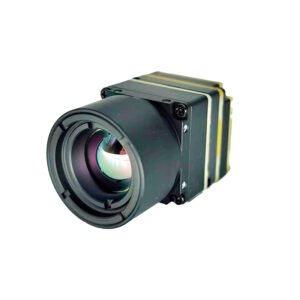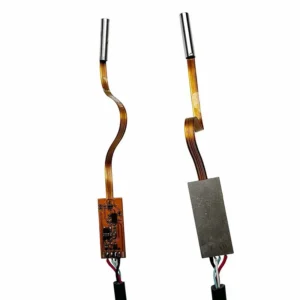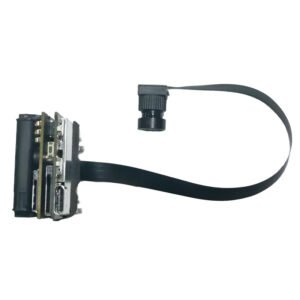
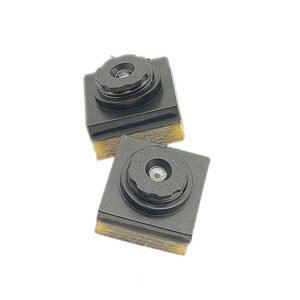

A monochrome camera records image intensity without producing conventional color information. Shenzhen Brilliant CMOS Technology Co., Ltd. offers monochrome camera module options for developers who need grayscale image capture within an embedded or host-connected system. Typical evaluation criteria include sensitivity, resolution, exposure control, frame rate, interface support and the conditions under which images will be acquired.
In inspection tasks where color is not needed, grayscale imaging can support analysis of edges, contrast and surface features. The value depends on the object, optics and illumination. A monochrome camera should be tested using actual sample parts rather than chosen solely because it is described as suitable for industrial applications. Lighting geometry and the smallest feature to be detected are often more important than a headline sensor specification.
Moving parts introduce additional design constraints. If the application involves a conveyor, rotating equipment or fast positioning, ask how the sensor captures motion and what exposure and frame-rate settings are supported. Global-shutter behavior may be useful for certain motion-sensitive tasks, but it should be confirmed for the specific module under evaluation. A sensor name alone does not establish the performance of a complete camera system. For motion-sensitive inspection, compare the Global Shutter Camera Module collection and verify the actual sensor readout method.
Specify the expected working distance, lens field of view, image format, triggering needs and available light. Confirm the camera connection and software support on the intended processor or computer. Lens selection and mounting stability should be evaluated together with the sensor; a high-frame-rate module cannot compensate for an unsuitable optical setup or insufficient illumination. For broader sensor and interface selection, the CMOS Sensor Camera Module collection provides related integration options.
Send Shenzhen Brilliant CMOS Technology Co., Ltd. a brief describing the inspection target, object speed, required image detail, host interface and installation space. Testing representative samples under production-like conditions will help determine whether the selected monochrome camera is appropriate.
Write down the minimum detectable feature size, expected exposure time, permitted blur and acceptable image consistency. Use the same lens, illumination and test object when comparing candidate modules. If the camera must be synchronized with other equipment, document the trigger and timing requirements. These checks make the evaluation more useful than comparing nominal frame-rate figures alone.