What is a Thermal Imaging Camera?
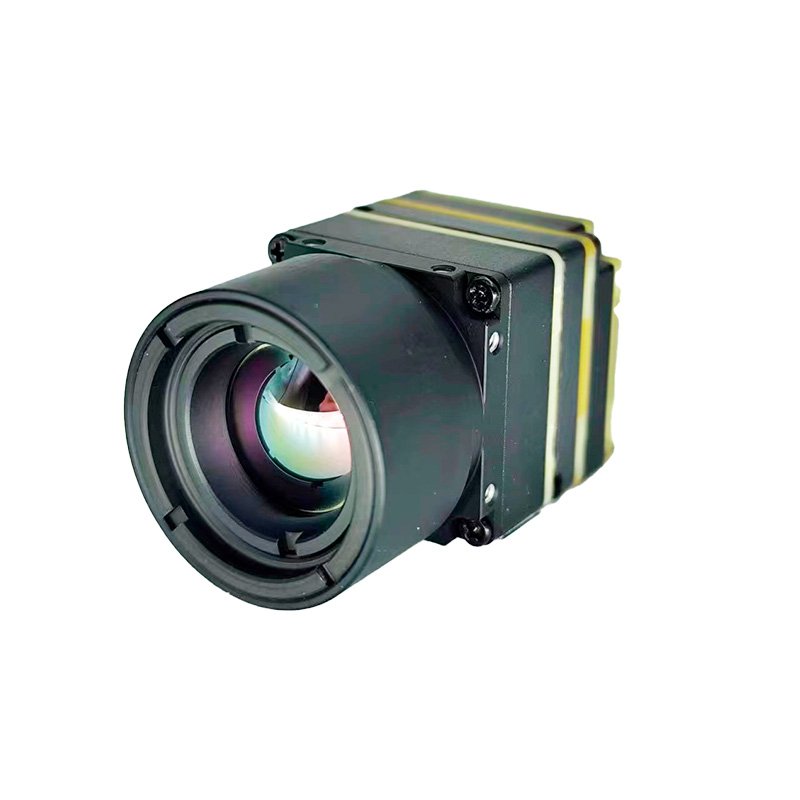
A thermal imaging camera is not just another fancy gadget—it’s a revolutionary piece of technology that allows you to “see” heat instead of visible light. Imagine walking into a pitch-dark room and still being able to identify objects, living beings, or even heat leaks in a building. That’s exactly what thermal cameras do. They detect infrared radiation emitted by objects and convert it into a visual image that represents temperature differences. This makes them incredibly valuable in situations where traditional cameras fail, such as in smoke, fog, or total darkness.
The growing demand for such devices is no coincidence. According to recent industry reports, the global thermal imaging market was valued at around USD 14.9 billion in 2025 and is projected to reach USD 41.3 billion by 2035, growing at a CAGR of 10.8% . That’s massive growth, driven by applications in defense, healthcare, industrial inspection, and even smart homes. Today, companies like Shenzhen Brilliant CMOS Technology are pushing boundaries by offering compact, high-resolution thermal modules suitable for drones and embedded systems.
What makes thermal imaging truly fascinating is its versatility. Whether it’s firefighters locating victims in smoke-filled buildings or engineers identifying overheating components in machinery, this technology has become indispensable. And the best part? It’s becoming more affordable and accessible every year, making it a must-have tool across industries.
Evolution of Drone Camera Systems
Drone cameras have come a long way from basic aerial photography tools to highly sophisticated imaging systems. Initially, drones were used mainly for recreational photography, but today, they are equipped with cutting-edge technologies like thermal sensors, AI-based tracking, and FPV (First Person View) modules.
This evolution has transformed drones into powerful tools for industries ranging from agriculture to defense.
The numbers tell an exciting story. The global drone camera market was valued at USD 12.65 billion in 2025 and is expected to reach USD 54.38 billion by 2034, growing at an impressive CAGR of 17.6%. This explosive growth is fueled by increasing demand for aerial data, surveillance, and automation. Today’s drones are no longer just flying cameras—they are intelligent systems capable of real-time analysis and decision-making.
Modern drone camera systems integrate multiple sensors, including RGB, thermal, and multispectral cameras. This multi-sensor approach allows users to capture comprehensive data in a single flight. For example, a thermal drone can detect heat anomalies while simultaneously recording high-resolution video, making it invaluable for inspections and rescue missions.
The evolution doesn’t stop here. With advancements in miniaturization and AI, drone cameras are becoming smarter, lighter, and more efficient. Companies like Shenzhen Brilliant CMOS Technology are at the forefront, developing high-performance camera modules that power next-generation drones.
Understanding Thermal Imaging Technology
How Thermal Cameras Work
At the heart of every thermal imaging camera lies a simple yet powerful concept: detecting infrared radiation. Every object with a temperature above absolute zero emits infrared energy. Thermal cameras capture this energy using specialized sensors and convert it into a visual representation, often displayed as a heat map with varying colors.
The process begins with an infrared detector, which captures the radiation emitted by objects. This data is then processed by an onboard microprocessor to create an image where different colors represent different temperatures. For instance, warmer objects might appear in red or yellow, while cooler ones appear in blue or purple. This allows users to instantly identify temperature differences without needing physical contact.
One of the biggest advantages of thermal imaging is its ability to function in complete darkness. Unlike traditional cameras that rely on visible light, thermal cameras work independently of lighting conditions. This makes them ideal for nighttime surveillance, search and rescue operations, and wildlife monitoring.
Additionally, modern thermal cameras are equipped with advanced features like radiometric measurement, which allows users to measure exact temperatures, and image fusion, which combines thermal and visible images for better clarity. These innovations have significantly enhanced the usability and accuracy of thermal imaging systems.
Types of Thermal Sensors
Thermal sensors are the backbone of thermal imaging systems, and they come in two main types: cooled and uncooled sensors. Each type has its own advantages and is suited for specific applications.
Uncooled sensors are the most common and are widely used in commercial applications. They operate at ambient temperatures and are relatively affordable, compact, and energy-efficient. This makes them ideal for applications like building inspections, security systems, and consumer drones. Despite being less sensitive than cooled sensors, advancements in technology have significantly improved their performance.
Cooled sensors, on the other hand, are designed for high-end applications that require extreme sensitivity and precision. These sensors are cooled to very low temperatures, which reduces noise and enhances image quality. They are typically used in military, aerospace, and scientific research applications. However, they are more expensive and require more maintenance compared to uncooled sensors.
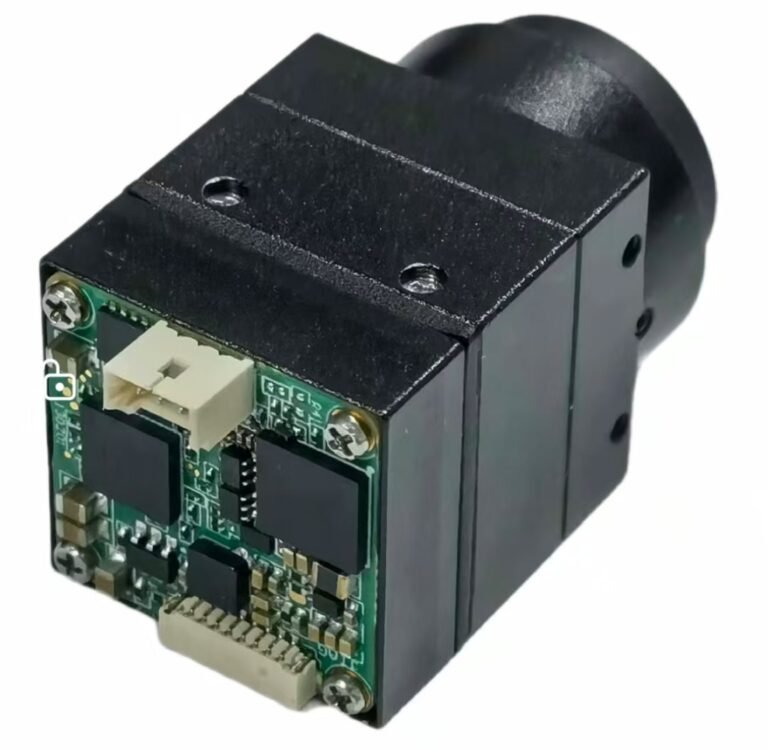
Choosing the right sensor depends on the intended use. For most commercial applications, uncooled sensors provide a perfect balance between performance and cost. Companies like Shenzhen Brilliant CMOS Technology specialize in developing high-quality thermal modules that cater to a wide range of applications, ensuring optimal performance without breaking the bank.
Market Growth & Industry Trends
Global Thermal Imaging Market Insights
The thermal imaging industry is experiencing unprecedented growth, driven by technological advancements and increasing demand across multiple sectors. From security and surveillance to healthcare and industrial automation, thermal imaging is becoming a critical tool for modern operations.
Recent data shows that the market is expanding rapidly, with strong demand in defense, automotive, and industrial sectors. Thermal cameras are now being integrated into smart devices, autonomous vehicles, and IoT systems, further boosting their adoption. This trend is expected to continue as technology becomes more affordable and accessible.
Another key driver of growth is the increasing focus on safety and efficiency. Thermal imaging allows organizations to detect issues before they become critical, reducing downtime and improving operational efficiency. For example, industries use thermal cameras for predictive maintenance, identifying overheating components before they fail.
Asia-Pacific is emerging as the fastest-growing region in this market, thanks to strong manufacturing capabilities and increasing investments in technology. Companies like Shenzhen Brilliant CMOS Technology are playing a crucial role in this growth, offering innovative solutions that meet the evolving needs of global markets.
Drone Camera Market Expansion
The drone camera market is booming, and it’s not hard to see why. Drones equipped with advanced imaging systems are transforming industries by providing real-time data and insights. From agriculture to construction, drones are being used to monitor, analyze, and optimize operations.
One of the most exciting trends is the integration of thermal imaging into drones. Thermal drones are becoming increasingly popular for applications like search and rescue, wildlife monitoring, and infrastructure inspection. These drones can detect heat signatures, making them invaluable in situations where visibility is limited.
The thermal drone market itself is projected to grow from USD 8.7 billion in 2025 to USD 26.1 billion by 2035, with a CAGR of 11.5% . This growth is driven by increasing demand for aerial surveillance and inspection solutions.
Another trend is the rise of FPV (First Person View) technology, which allows operators to see exactly what the drone sees in real-time. This has revolutionized drone operations, making them more precise and efficient. As technology continues to evolve, we can expect even more innovative applications and use cases for drone cameras.
Thermal Drones Explained
What is a Thermal Drone?
A thermal drone is essentially a drone equipped with a thermal imaging camera, allowing it to capture heat-based images from the air. This combination creates a powerful tool capable of performing tasks that were once impossible or extremely challenging.
Imagine searching for a missing person in a dense forest at night. A regular drone might struggle due to low visibility, but a thermal drone can easily detect the person’s body heat, making the search faster and more efficient. This is why thermal drones are widely used in search and rescue operations, law enforcement, and disaster management.
Thermal drones are also used in industrial applications, such as inspecting power lines, pipelines, and solar panels. They can identify hotspots and potential issues without the need for manual inspections, saving time and reducing risks.
The versatility of thermal drones makes them a valuable asset across industries. With advancements in technology, these drones are becoming more affordable and accessible, opening up new possibilities for businesses and individuals alike.
Key Features of Thermal Drones
Thermal drones come with a range of features that make them highly effective for various applications. Some of the key features include:
- High-resolution thermal sensors for accurate temperature detection
- Dual-camera systems combining thermal and RGB imaging
- Long flight times for extended operations
- Real-time data transmission for immediate analysis
- AI-powered analytics for automated insights
These features enable thermal drones to perform complex tasks with ease. For example, in agriculture, they can monitor crop health by detecting temperature variations, helping farmers optimize irrigation and improve yields.
FPV Drone Camera Modules
What is an FPV Camera Module?
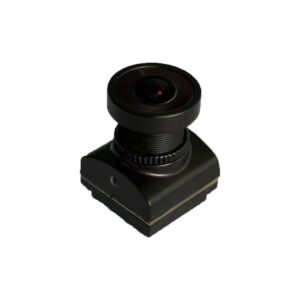
An FPV drone camera module is a compact camera system that transmits live video from the drone to the operator’s screen or goggles. This allows the operator to experience a “first-person view,” making drone navigation more intuitive and immersive.
FPV cameras are widely used in racing drones, aerial photography, and professional inspections. They provide real-time feedback, enabling operators to make precise movements and adjustments. This is particularly important in applications where accuracy is critical, such as infrastructure inspections or search and rescue missions.
Modern FPV camera modules are designed to be lightweight, durable, and capable of delivering high-quality video even in challenging conditions. Companies like Shenzhen Brilliant CMOS Technology are developing advanced FPV modules that offer low latency, high resolution, and excellent performance.
Importance in Drone Navigation
FPV technology has revolutionized drone navigation by providing operators with a real-time perspective of the drone’s surroundings. This makes it easier to navigate complex environments, avoid obstacles, and perform precise maneuvers.
In addition to improving navigation, FPV cameras also enhance safety. By providing a clear view of the drone’s path, operators can avoid collisions and ensure safe operations. This is especially important in industries like construction and infrastructure inspection, where drones are often used in challenging environments.
Applications Across Industries
Security & Surveillance
Thermal imaging and drone technology have transformed security and surveillance operations. Thermal cameras can detect intruders based on their body heat, even in complete darkness or through smoke and fog. This makes them highly effective for perimeter security, border patrol, and law enforcement.
Drones equipped with thermal cameras can cover large areas quickly, providing real-time data and insights. This enhances situational awareness and enables faster response times.
Agriculture & Environmental Monitoring
In agriculture, thermal drones are used to monitor crop health, detect irrigation issues, and optimize resource usage. By analyzing temperature variations, farmers can identify stressed plants and take corrective actions.
Environmental monitoring is another important application. Thermal drones can track wildlife, monitor ecosystems, and detect environmental changes, helping researchers and conservationists make informed decisions.
Industrial Inspection
Industrial inspections have become safer and more efficient with the use of thermal imaging and drones. These technologies allow inspectors to identify issues like overheating equipment, electrical faults, and structural defects without direct contact.
This not only reduces risks but also minimizes downtime, leading to significant cost savings.
Benefits of Advanced Imaging Solutions
Accuracy & Efficiency
Advanced imaging solutions provide unparalleled accuracy and efficiency. By capturing detailed data and providing real-time insights, they enable better decision-making and improved outcomes.
Cost Savings & Automation
Automation is another major benefit. Drones and thermal cameras can perform tasks that would otherwise require significant manpower and resources, reducing costs and improving efficiency.
Comparison Table
| Feature | Thermal Imaging Camera | Thermal Drone | FPV Camera Module |
|---|---|---|---|
| Primary Use | Heat detection | Aerial thermal imaging | Real-time navigation |
| Key Advantage | Works in darkness | Covers large areas | Low-latency video |
| Industries | Security, healthcare | Agriculture, defense | Racing, inspection |
| Cost Range | Medium to High | High | Low to Medium |
Why Choose Shenzhen Brilliant CMOS Technology
When it comes to advanced imaging solutions, Shenzhen Brilliant CMOS Technology stands out as a trusted name in the industry. The company specializes in developing high-performance camera modules, including thermal imaging cameras, FPV modules, and drone camera systems.
What sets them apart is their focus on innovation, quality, and affordability. Their products are designed to meet the needs of modern applications, offering high resolution, low power consumption, and reliable performance. Whether you’re looking for a thermal camera for industrial inspections or an FPV module for drone navigation, they have solutions tailored to your needs.
Future Trends in Imaging Technology
The future of imaging technology looks incredibly promising. With advancements in AI, machine learning, and sensor technology, we can expect even more powerful and efficient imaging solutions.
One of the key trends is the integration of AI into imaging systems, enabling automated analysis and decision-making. This will further enhance the capabilities of thermal cameras and drones, making them even more valuable tools across industries.
Conclusion
The world of imaging technology is evolving rapidly, and innovations like thermal imaging cameras, thermal drones, and FPV camera modules are at the forefront of this transformation. These technologies are not just enhancing visibility—they are redefining how we interact with the world around us.
From improving safety and efficiency to enabling new applications, the impact of these technologies is profound. As companies like Shenzhen Brilliant CMOS Technology continue to innovate, we can expect even more exciting developments in the future.
FAQs
- What is the main advantage of a thermal imaging camera?
It allows you to detect heat differences, making it effective in darkness, smoke, or fog.
- How does a thermal drone work?
It uses a thermal camera to capture heat signatures from the air, providing valuable data for various applications.
- What is an FPV camera module used for?
It provides real-time video transmission, allowing operators to control drones with precision.
- Are thermal cameras expensive?
Prices vary depending on features, but advancements in technology are making them more affordable.
- Which industries use thermal imaging the most?
Defense, security, agriculture, healthcare, and industrial inspection are the major users.