
Introduction to Endoscope Cameras
What is an Endoscope Camera?
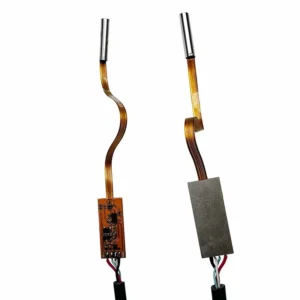
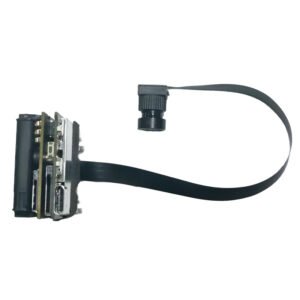
An endoscope camera is one of those technologies that quietly revolutionized how we see the unseen. Imagine trying to inspect a narrow pipe, diagnose an internal medical condition, or examine a tooth cavity without cutting anything open—sounds impossible, right? That’s exactly where these compact imaging tools come into play. An endoscope camera is essentially a small, high-resolution camera attached to a flexible or rigid tube that allows users to visualize internal spaces that are otherwise inaccessible.
These devices are widely used in medical procedures, industrial inspections, automotive repairs, and even home DIY tasks. Depending on the application, they may come with advanced features like LED lighting, waterproof design, and high-definition imaging. In medical settings, especially, these cameras play a crucial role in minimally invasive surgeries, helping doctors diagnose and treat conditions with incredible precision.
What makes them even more powerful today is the integration of CMOS imaging technology, which enhances clarity, reduces noise, and ensures real-time visualization. Companies like Shenzhen Brilliant CMOS Technology are leading this innovation, delivering cutting-edge solutions tailored for both healthcare and industrial sectors.
Why Endoscope Cameras Are Important Today
Let’s be real—technology is all about making life easier, faster, and more efficient. Endoscope cameras do exactly that, especially in the healthcare industry. Instead of traditional invasive procedures, doctors can now perform diagnostics and surgeries with minimal discomfort to patients. This shift toward minimally invasive techniques is one of the biggest reasons behind the growing demand for endoscopic devices.
According to recent industry data, the global endoscopes market was valued at over $25 billion in 2024 and is expected to reach $33.45 billion by 2030, driven largely by the need for early disease detection and less invasive procedures . That’s not just growth—that’s a massive transformation in how healthcare operates.
Beyond healthcare, industries like construction, aviation, and plumbing also rely heavily on USB endoscope cameras for inspections. Whether it’s checking pipelines or diagnosing engine problems, these devices eliminate guesswork and provide real-time visual insights.
Types of Endoscope Cameras
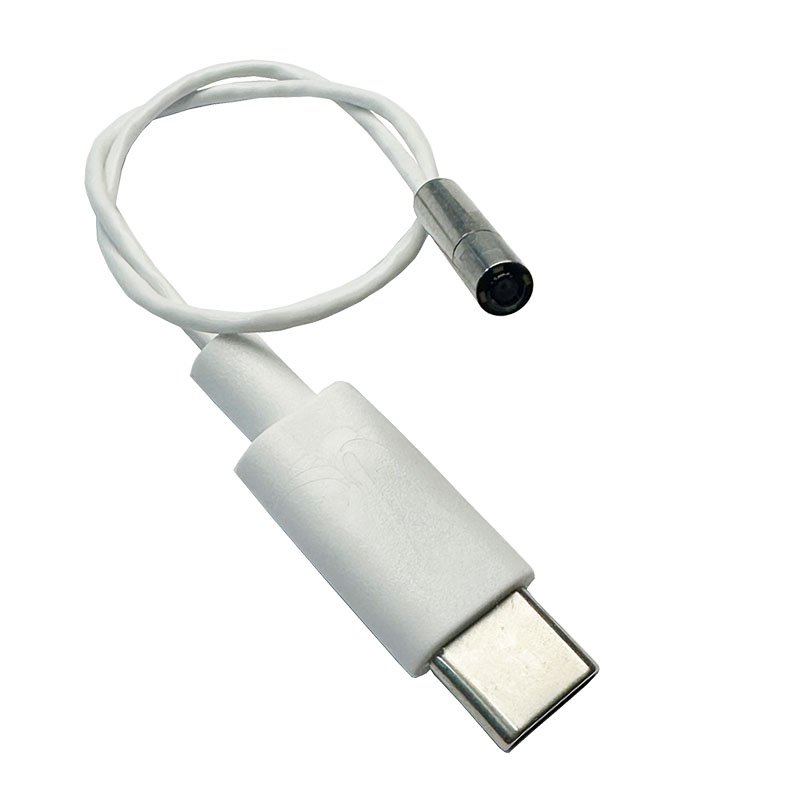
Medical Endoscope Camera
A medical endoscope camera is specifically designed for use in hospitals and clinics. These cameras are used in procedures like laparoscopy, bronchoscopy, and gastrointestinal examinations. The goal? To provide doctors with a clear, magnified view of internal organs without making large incisions.
Surgical Applications
In surgery, precision is everything. Even a slight misjudgment can lead to complications. That’s why modern medical endoscope cameras come equipped with ultra-HD resolution, advanced lighting systems, and real-time video processing. Surgeons can navigate delicate tissues with ease, reducing risks and improving patient outcomes.
The demand for these cameras is rising rapidly due to the increasing prevalence of chronic diseases. Reports indicate that the endoscopy devices market exceeded $60 billion in 2025 and is projected to grow significantly over the next decade . This growth reflects how essential these devices have become in modern medicine.
USB Endoscope Camera
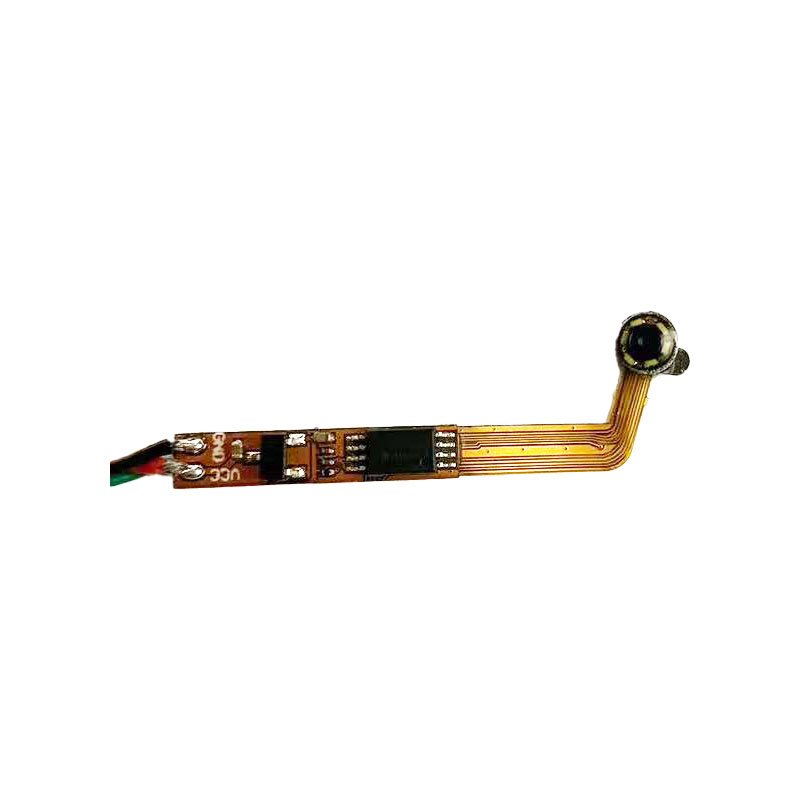
A USB endoscope camera is a versatile and affordable tool designed for everyday use. Unlike medical-grade devices, these are commonly used for industrial inspections, automotive diagnostics, and home maintenance tasks.
Industrial & Home Uses
Think about inspecting a clogged drain or checking inside a car engine—doing it manually would be nearly impossible. USB endoscope cameras solve this problem by offering flexible cables and plug-and-play functionality. You simply connect them to a laptop or smartphone, and you’re ready to go.
These cameras are especially popular among technicians and DIY enthusiasts because they’re easy to use, cost-effective, and highly efficient. With features like adjustable LED lights and waterproof probes, they can operate in even the toughest environments.
Intraoral Camera Dental
The intraoral camera dental system is a game-changer in dentistry. It allows dentists to capture detailed images of a patient’s mouth, making diagnosis more accurate and treatment planning more effective.
Role in Modern Dentistry
Have you ever wondered how dentists explain cavities or gum issues so clearly? That’s thanks to intraoral cameras. These devices provide high-resolution images that can be displayed on a screen, helping patients understand their condition better.
This not only improves transparency but also builds trust between dentists and patients. It’s like having a mirror inside your mouth—but way more advanced.
Market Trends & Industry Growth
Global Market Statistics
The growth of the endoscope camera industry is nothing short of impressive. The endoscopy camera market alone is expected to grow steadily with a CAGR of over 4%, reflecting increasing demand across sectors.
Here’s a quick snapshot:
| Segment | Market Value |
|---|---|
| Endoscopy Devices | $60+ Billion |
| Endoscope Cameras | $1.4+ Billion |
| Medical Cameras | $3.67 Billion (2024) |
The surge is driven by factors like:
- Rising chronic diseases
- Aging population
- Technological advancements
- Growing demand for minimally invasive procedures
Technological Advancements
We’re living in an era where 4K and even AI-powered endoscope cameras are becoming the norm. Advanced imaging systems now offer enhanced clarity, depth perception, and real-time analytics.
Some high-end systems are expected to grow at a staggering 20% CAGR, highlighting how fast innovation is happening in this space .
Key Features of Modern Endoscope Cameras
CMOS Technology Benefits
One of the biggest breakthroughs in endoscope cameras is the use of CMOS sensors. These sensors offer:
- Lower power consumption
- Faster image processing
- Better low-light performance
This is where Shenzhen Brilliant CMOS Technology stands out, providing high-quality imaging solutions that meet modern industry demands.
Image Resolution & 4K Imaging
Gone are the days of blurry visuals. Today’s endoscope cameras deliver HD and 4K resolution, ensuring every detail is captured with precision. This is especially critical in medical and dental applications, where clarity can make all the difference.
Applications Across Industries
Healthcare Sector
Endoscope cameras are widely used in:
- Gastroenterology
- Urology
- ENT procedures
- Laparoscopic surgeries
They help doctors diagnose conditions early, improving treatment success rates.
Industrial Inspection
In industries, these cameras are used for:
- Pipeline inspection
- Machinery maintenance
- Aircraft engine diagnostics
They save time, reduce costs, and improve safety.
Dental Clinics
Dentists use intraoral cameras for:
- Detecting cavities
- Monitoring oral hygiene
- Educating patients
Advantages of Using Endoscope Cameras
Endoscope cameras offer numerous benefits:
- Minimally invasive procedures
- Real-time visualization
- High accuracy and precision
- Cost-effective diagnostics
They’re not just tools—they’re essential assets in modern workflows.
How to Choose the Right Endoscope Camera
Choosing the right camera depends on your needs. Ask yourself:
- Is it for medical or industrial use?
- Do you need HD or 4K resolution?
- What cable length is required?
Always prioritize quality, durability, and brand reputation.
Shenzhen Brilliant CMOS Technology Overview
When it comes to innovation, Shenzhen Brilliant CMOS Technology is a trusted name. The brand focuses on delivering high-performance imaging solutions, including:
- Medical endoscope cameras
- USB inspection cameras
- Dental imaging systems
Their products are known for reliability, advanced CMOS sensors, and superior image quality.
Comparison Table of Endoscope Types
| Type | Usage | Key Features | Best For |
|---|---|---|---|
| Medical Endoscope Camera | Hospitals | HD/4K imaging | Surgeries |
| USB Endoscope Camera | Industrial/Home | Plug & play | Inspection |
| Intraoral Camera Dental | Dental Clinics | High detail imaging | Oral diagnosis |
Future of Endoscope Camera Technology
The future looks incredibly promising. With AI integration, robotic-assisted surgeries, and real-time analytics, endoscope cameras are set to become even more powerful.
Imagine a camera that not only shows images but also detects abnormalities automatically—that’s where we’re heading.
Conclusion
Endoscope cameras have transformed the way we explore hidden spaces—whether inside the human body or within complex machinery. From medical endoscope cameras used in life-saving procedures to USB endoscope cameras for everyday inspections and intraoral dental cameras enhancing patient care, their impact is undeniable.
With continuous innovation from companies like Shenzhen Brilliant CMOS Technology, the future of imaging technology is brighter than ever. If you’re looking to invest in advanced diagnostic or inspection tools, endoscope cameras are undoubtedly the way forward.
FAQs
1. What is an endoscope camera used for?
It is used to inspect internal spaces in medical, industrial, and home environments without invasive methods.
2. What is the difference between USB and medical endoscope cameras?
USB cameras are for general use, while medical ones are designed for clinical procedures with higher precision.
3. Are intraoral cameras safe?
Yes, they are completely safe and widely used in dental clinics.
4. Why is CMOS technology important?
It improves image quality, reduces power consumption, and enhances performance.
5. Which company is best for endoscope cameras?
Brands like Shenzhen Brilliant CMOS Technology are known for high-quality imaging solutions.