Introduction to Advanced Camera Technologies
Why Modern Cameras Are Transforming Industries
Let’s be honest—cameras today are no longer just about clicking pictures. They’ve evolved into intelligent systems that can recognize faces, track wildlife, and even analyze microscopic details in industrial setups. The rapid growth of AI-powered imaging has transformed industries like security, wildlife conservation, manufacturing, and healthcare. You’re no longer just capturing images; you’re capturing insights, patterns, and real-time data that can drive smarter decisions.
Think about walking into a building where the door unlocks just by recognizing your face. Or imagine observing rare birds without disturbing their natural habitat. These are not futuristic concepts—they are happening right now. Technologies like face recognition cameras, bird watching cameras, and monochrome cameras are at the center of this transformation. Each serves a unique purpose, yet all share a common goal: delivering precision, clarity, and intelligence.
What makes these cameras truly revolutionary is their ability to adapt to different environments. Whether it’s low-light conditions, fast-moving subjects, or detailed scientific analysis, modern cameras are designed to handle it all. And with companies like Shenzhen Brilliant CMOS Technology, innovation is moving faster than ever. They are pushing boundaries by creating advanced imaging solutions that cater to both commercial and industrial needs.
Overview of Shenzhen Brilliant CMOS Technology
When we talk about innovation in camera technology, Shenzhen Brilliant CMOS Technology stands out as a key player. Based in one of the world’s leading tech hubs, the company specializes in high-performance imaging solutions that are both reliable and cutting-edge. Their focus is not just on building cameras but on creating systems that solve real-world problems.
What sets them apart is their commitment to CMOS sensor technology, which offers faster processing, lower power consumption, and superior image quality. Whether you’re looking for a face recognition camera for security, a bird watching camera for nature observation, or a monochrome camera for industrial applications, they have tailored solutions for every need.
Their products are designed with precision and scalability in mind. This means whether you’re a small business owner or managing a large-scale operation, you can rely on their technology to perform consistently. They also emphasize research and development, ensuring that their products stay ahead of market trends and technological advancements.

Understanding Face Recognition Cameras
What Is a Face Recognition Camera?
A face recognition camera is not your typical security camera. It goes beyond recording footage—it identifies and verifies individuals based on their facial features. Using advanced algorithms and AI, these cameras analyze key facial points such as the distance between the eyes, the shape of the nose, and jawline contours. It’s like giving a camera the ability to “think” and recognize people just like humans do.
Imagine entering your office, and instead of swiping a card or entering a password, the system instantly recognizes you and grants access. That’s the power of facial recognition technology. These cameras are widely used in airports, corporate offices, public spaces, and even smartphones. They provide a seamless and secure way to manage identity verification without physical contact.
The technology works in three simple steps: detection, analysis, and recognition. First, the camera detects a face in its field of view. Then, it analyzes unique facial features. Finally, it compares this data with stored records to identify the individual. This entire process happens within seconds, making it incredibly efficient and reliable.
Key Features and Benefits
Face recognition cameras come packed with features that make them indispensable in today’s world. Here are some of the most important ones:
- High accuracy identification
- Real-time monitoring
- Contactless authentication
- Integration with security systems
- Low-light performance
But what really makes them stand out is the combination of convenience and security. Unlike traditional methods like passwords or ID cards, facial recognition cannot be easily duplicated or stolen. It provides a higher level of protection while also enhancing user experience.
Another major advantage is scalability. Whether you’re securing a small office or an entire city, these cameras can be integrated into larger systems without any hassle. With advancements from companies like Shenzhen Brilliant CMOS Technology, these cameras are becoming faster, smarter, and more affordable.
Applications of Face Recognition Cameras
Security and Surveillance
Security is one of the biggest reasons why face recognition cameras have gained massive popularity. From airports to shopping malls, these cameras are used to monitor and identify individuals in real time. They help law enforcement agencies track suspects, prevent crimes, and enhance public safety.
Think about large public events where thousands of people gather. Monitoring such crowds manually is almost impossible. But with face recognition technology, authorities can quickly identify persons of interest and take necessary action. This not only improves security but also reduces response time during emergencies.
Smart Cities and Access Control
Smart cities are the future, and face recognition cameras play a crucial role in making them a reality. These cameras are used for traffic management, public safety, and even automated attendance systems in schools and offices. They help create a more connected and efficient urban environment.
Access control is another major application. Instead of using keys or cards, organizations can use facial recognition to manage entry points. This reduces the risk of unauthorized access and simplifies the entire process. It’s fast, secure, and incredibly convenient.
Bird Watching Cameras Explained
What Is a Bird Watching Camera?
If you love nature, a bird watching camera is like having a front-row seat to wildlife action. These cameras are specifically designed to capture birds in their natural habitat without disturbing them. Unlike regular cameras, they are equipped with features like motion detection, zoom capabilities, and weather resistance.
Imagine setting up a camera in your backyard or a forest area and watching birds build nests, feed their young, or simply fly around. It’s an incredible experience that brings you closer to nature. These cameras are widely used by hobbyists, researchers, and wildlife photographers.
Features That Matter for Wildlife Observation
When it comes to bird watching, not all cameras are created equal. Here are some key features you should look for:
- High-resolution imaging
- Night vision capability
- Motion-triggered recording
- Long battery life
- Weatherproof design
These features ensure that you don’t miss any moment, whether it’s day or night. With advancements in camera technology, bird watching cameras now offer crystal-clear images and videos, making the experience even more enjoyable.
Benefits of Bird Watching Cameras
Enhancing Wildlife Experience
Bird watching cameras take your experience to the next level. Instead of relying on binoculars, you can observe birds in detail from the comfort of your home. It’s like having a personal wildlife documentary playing live.
Use in Research and Conservation
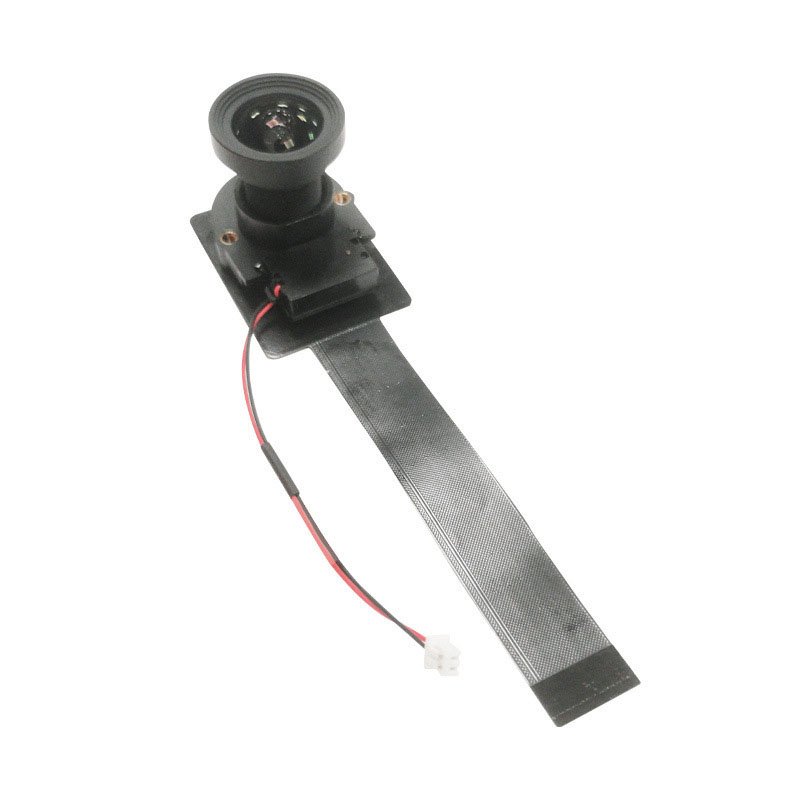
These cameras are also incredibly useful for research and conservation efforts. Scientists use them to study bird behavior, migration patterns, and breeding habits. This data helps in protecting endangered species and preserving biodiversity.
Monochrome Cameras: A Technical Overview
What Is a Monochrome Camera?
A monochrome camera captures images in black and white, but don’t let that fool you—it’s far more powerful than it sounds. Unlike color cameras, monochrome cameras focus entirely on light intensity, which results in sharper and more detailed images.
These cameras are widely used in industrial and scientific applications where precision is more important than color. They excel in low-light conditions and provide higher sensitivity compared to traditional cameras.
Advantages Over Color Cameras
One of the biggest advantages of monochrome cameras is their ability to capture more detail. Since they don’t use color filters, they can utilize the full resolution of the sensor. This makes them ideal for applications like quality inspection, medical imaging, and astronomy.
Use Cases of Monochrome Cameras
Industrial Imaging
In industries, precision is everything. Monochrome cameras are used for quality control, defect detection, and automated inspection systems. They help ensure that products meet high standards before reaching customers.
Scientific Applications
From space research to medical diagnostics, monochrome cameras play a vital role. They provide accurate data and high-resolution images that are essential for scientific analysis.
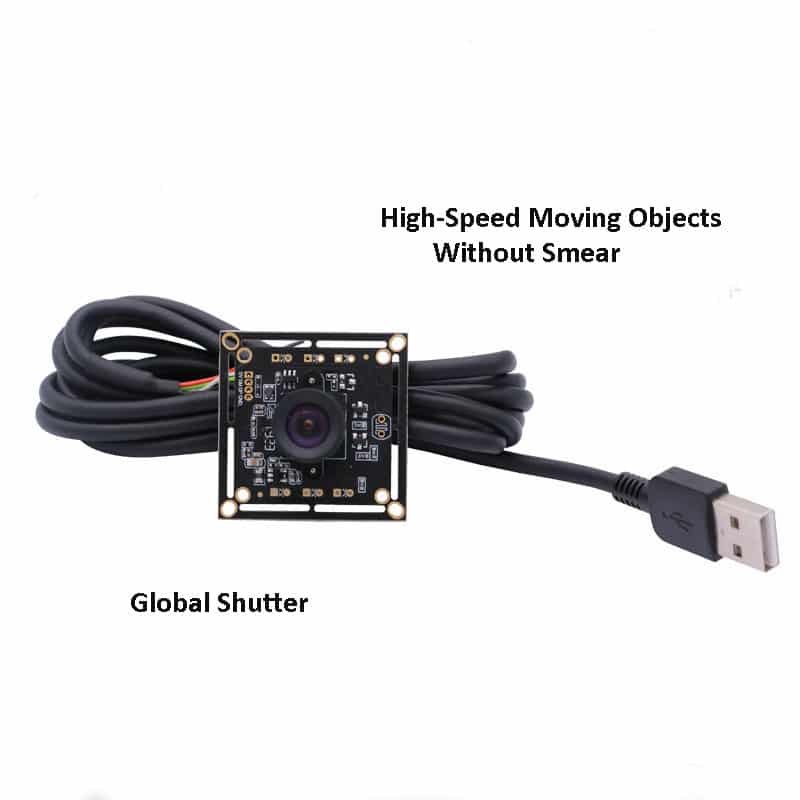
Comparing Face Recognition, Bird Watching, and Monochrome Cameras
Key Differences Table
| Feature | Face Recognition Camera | Bird Watching Camera | Monochrome Camera |
|---|---|---|---|
| Purpose | Security & Identification | Wildlife Observation | Industrial & Scientific |
| Image Type | Color + AI Analysis | High-Resolution Color | Black & White |
| Key Feature | Facial Detection | Motion Capture | High Sensitivity |
| Use Case | Surveillance | Nature Study | Precision Imaging |
How to Choose the Right Camera for Your Needs
Factors to Consider Before Buying
Choosing the right camera depends on your specific needs. Ask yourself—what do you want to achieve? If it’s security, go for a face recognition camera. If you love nature, a bird-watching camera is perfect. For industrial or scientific work, a monochrome camera is the best choice.
Also consider factors like resolution, storage, connectivity, and budget. Investing in a reliable brand like Shenzhen Brilliant CMOS Technology ensures you get the best value for your money.
Why Choose Shenzhen Brilliant CMOS Technology
Innovation and Product Quality
Shenzhen Brilliant CMOS Technology is known for its cutting-edge innovation and high-quality products. Their cameras are designed to deliver exceptional performance in various environments.
Global Market Presence
With a strong global presence, the company has earned the trust of customers worldwide. Their commitment to excellence makes them a preferred choice in the imaging industry.
Future Trends in Camera Technology
AI Integration
Artificial intelligence is shaping the future of cameras. From smart recognition to automated analysis, AI is making cameras more intelligent than ever.
Smart Imaging Solutions
The future lies in smart imaging solutions that combine hardware and software to deliver real-time insights. This will open new possibilities across industries.
Conclusion
The world of cameras has evolved far beyond simple photography. From face recognition cameras that enhance security to bird watching cameras that bring nature closer, and monochrome cameras that deliver unmatched precision—each plays a vital role in modern technology. With companies like Shenzhen Brilliant CMOS Technology leading the way, the future of imaging looks incredibly promising. Whether you’re a business owner, researcher, or hobbyist, investing in the right camera can completely transform your experience.
FAQs
- What is the main use of a face recognition camera?
It is primarily used for security, surveillance, and access control by identifying individuals through facial features.
- Are bird-watching cameras suitable for beginners?
Yes, they are user-friendly and perfect for anyone interested in observing wildlife.
- Why are monochrome cameras better for industrial use?
They provide higher detail and sensitivity, making them ideal for precision tasks.
- Can these cameras work in low-light conditions?
Yes, especially monochrome and advanced face recognition cameras perform well in low light.
- Which brand is best for advanced camera solutions?
Shenzhen Brilliant CMOS Technology is a reliable choice known for innovation and quality.