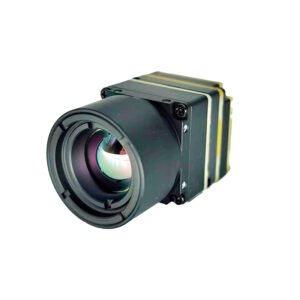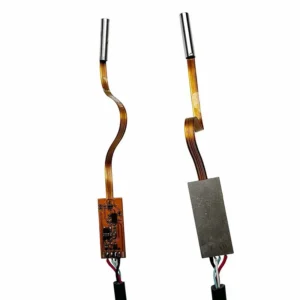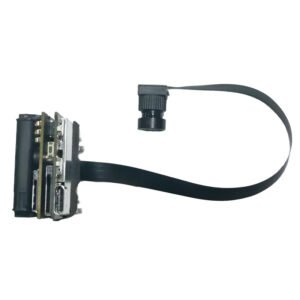
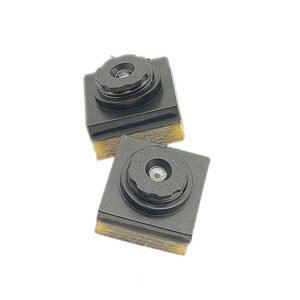


An STM32 MIPI Camera project begins with the host processor and its supported camera interface. Shenzhen Brilliant CMOS Technology Co., Ltd. offers camera module options for embedded development where board space, image transfer and system-level integration need to be considered together. The correct module is determined by the processor, supported input format, software stack and application requirements—not simply by the highest advertised resolution.
Before choosing a module, identify the processor model, camera interface, lane configuration, supply rails, connector pinout and supported driver environment. MIPI is an interface family, and support can differ between processors and development boards. Confirm that the proposed sensor has a practical integration path for the exact hardware platform. A mechanically compatible connector does not guarantee that the camera will initialize or capture images.
A high-resolution aerial imaging system may require compact hardware, stable video capture and careful control of weight and power. However, a camera module is only one part of a complete drone imaging system. Stabilization, recording, transmission and flight integration depend on additional electronics and software. Likewise, the phrase consumer aerial camera describes a finished consumer product; module buyers should instead compare sensor capability, supported output and integration cost. For a specific high-resolution sensor option, review the IoT 4K Sony Camera Module and verify its supported output modes against the host processor.
A high-resolution embedded imaging module or a high-resolution camera search may point to a need for high-resolution embedded capture. The correct choice depends on available processor bandwidth, lens performance, operating light and required frame rate. The phrase consumer camera can refer to consumer cameras rather than components, so product selection should remain grounded in the device’s actual engineering requirements.
Provide Shenzhen Brilliant CMOS Technology Co., Ltd. with the processor model, operating system, target resolution, available connector space and production objectives. Request documentation for the proposed interface and test image capture with the intended host before moving from prototype to production. If the application needs USB host connectivity rather than a processor-level camera interface, compare the USB Camera Module collection.
Capture a representative test sequence using the final processor, software build and lighting environment. Check initialization, image format, sustained throughput and behavior after power cycling. Where a cable or adapter is needed, document the approved pinout and assembly orientation. This reduces the risk of selecting a module that appears suitable on paper but cannot be supported reliably by the intended host platform.