Day: July 7, 2026

Mini Camera Spy Cam Technology: What to Look for in Modern Wireless Monitoring Systems
Mini Camera Spy Cam
Opti Bridge Solutions

Mini Camera Spy Cam Technology: What to Look for in Modern Wireless Monitoring Systems

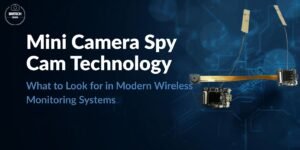
Compact cameras have evolved significantly over the past few years. What was once limited to bulky CCTV equipment can now fit into devices small enough to be integrated into smart home products, industrial monitoring systems, portable electronics, and IoT applications. As a result, many users searching for a mini camera spy cam, best hidden cameras, or a spy camera wireless mini solution are often looking for a combination of image quality, wireless connectivity, and flexible integration options rather than simply a smaller camera. The challenge is finding a camera module that delivers reliable video performance while maintaining a compact form factor. Why Miniature WiFi Cameras Are Growing in Popularity Modern monitoring systems are no longer restricted to fixed security installations. Businesses and developers increasingly require cameras that can be integrated into custom products, portable devices, remote monitoring systems, and smart automation projects. A compact spy camera hidden WiFi module can provide several advantages: Flexible installation options Wireless video transmission Remote monitoring capability Reduced wiring requirements Integration into compact electronic devices Support for mobile and desktop applications These features make miniature WiFi cameras useful across a wide range of environments, from smart home systems to industrial monitoring platforms. What Defines a High-Quality Mini Camera Module? Many small cameras look similar on paper, but several technical factors have a direct impact on real-world performance. Full HD Video Resolution Image quality remains one of the most important considerations. The Shenzhen Brilliant CMOS Technology 1080P IP Mini WiFi Camera Module utilizes a 2MP image sensor capable of recording at 1920 × 1080 resolution. Full HD video helps preserve details that may be difficult to identify with lower-resolution cameras. For monitoring applications, clearer images often lead to better visibility and improved situational awareness. Low-Light Performance Many monitoring environments operate in less-than-ideal lighting conditions. With a minimum illumination rating of 0.01Lux@F1.2, the module is designed to maintain image visibility even in darker environments where standard cameras may struggle. Wide Dynamic Range Lighting conditions can change dramatically throughout the day. The module’s WDR performance of more than 100dB helps balance bright and dark areas within the same scene, improving image clarity when dealing with windows, doorways, or mixed lighting environments. Wireless Connectivity for Greater Flexibility One of the biggest advantages of a spy camera wireless mini system is the ability to transmit video without extensive cabling. The module supports 802.11b/g/n WiFi communication and remote access functionality, allowing users to view live video streams from connected devices. This wireless capability makes the camera suitable for: Smart home security systems Portable monitoring devices IoT applications Remote observation projects Mobile surveillance platforms By reducing wiring complexity, deployment becomes faster and more flexible. Compact Design Without Sacrificing Performance Size is often a critical factor when integrating cameras into custom products. The Shenzhen Brilliant CMOS Technology WiFi camera module features a compact design with customizable FPC interfaces and configurable cable lengths, making it easier to integrate into space-constrained environments. Additional customization options include: Field of view options from 60° to 200° Custom FPC lengths Optional audio support TF card storage support up to 64GB Android and Windows application compatibility These options allow developers to tailor the camera to specific project requirements. Multi-Camera Synchronization Capabilities Many applications require multiple cameras working together. Unlike standard single-camera systems, Shenzhen Brilliant CMOS Technology supports multi-camera synchronization solutions with four or more cameras operating simultaneously. This capability is useful for: Multi-angle monitoring systems Industrial observation platforms Robotics projects Smart transportation solutions Advanced imaging applications USB UVC multi-camera synchronization options are also available for projects that require coordinated image capture across multiple viewpoints. Common Applications Smart Home Security Many homeowners searching for the best hidden cameras prioritize compact size, remote access, and reliable video quality. The module’s WiFi connectivity and Full HD resolution make it suitable for modern home monitoring systems. Industrial Monitoring Factories and warehouses often require discreet monitoring of equipment, production processes, and restricted-access areas. The module’s compact design allows integration into existing systems without major modifications. IoT Devices As connected devices become more common, miniature camera modules are increasingly used in smart appliances, automation systems, and remote monitoring products. Drones and Portable Electronics The combination of compact dimensions, low power consumption, and wireless connectivity makes the module suitable for mobile platforms where weight and space are important considerations. Why Shenzhen Brilliant CMOS Technology? When selecting a mini camera spy cam solution, image quality is only part of the equation. Reliability, integration flexibility, wireless performance, and customization options also play a significant role. The Shenzhen Brilliant CMOS Technology 1080P IP Mini WiFi Camera Module combines: 1920 × 1080 Full HD resolution Low-light imaging capability WiFi connectivity Remote monitoring support Wide dynamic range technology Multi-camera synchronization support Android and Windows compatibility This combination makes it a practical choice for developers and system integrators building modern wireless monitoring and imaging solutions. Final Thoughts The demand for compact wireless imaging continues to grow across security, automation, IoT, and industrial applications. Whether you’re evaluating a spy camera hidden WiFi system, looking for a spy camera wireless mini solution, or researching the best hidden cameras for integration into a custom project, image quality and connectivity should remain top priorities. With Full HD performance, wireless communication, low-light capability, and multi-camera synchronization support, the Shenzhen Brilliant CMOS Technology 1080P IP Mini WiFi Camera Module provides a flexible platform for a wide variety of modern monitoring applications.

Read More »
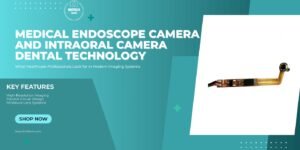
Medical Endoscope Camera and Intraoral Camera Dental Technology
Endoscope Camera Module
Opti Bridge Solutions

Medical Endoscope Camera and Intraoral Camera Dental Technology: What Healthcare Professionals Look for in Modern Imaging Systems

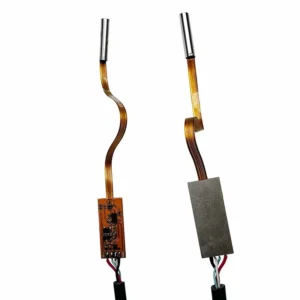
Modern healthcare relies heavily on visual diagnostics. Whether a clinician is examining the nasal cavity, inspecting the ear canal, evaluating soft tissue, or performing a detailed dental assessment, image quality plays a critical role in diagnosis and patient communication. Over the past decade, the demand for advanced medical endoscope camera systems and high-resolution intraoral camera dental solutions has increased significantly. Healthcare providers are no longer looking for basic imaging devices. They need compact, reliable cameras capable of delivering clear, real-time images while maintaining patient comfort. This shift has driven the development of smaller, more powerful imaging modules that can fit into extremely confined spaces without sacrificing image quality. Why Image Quality Matters in Medical Imaging A medical examination often depends on subtle visual details. Small changes in tissue color, early signs of inflammation, tiny cracks in a tooth surface, or hidden areas within the oral cavity can all influence clinical decisions. If the imaging system cannot capture these details clearly, diagnosis becomes more challenging. This is why image resolution, lighting performance, viewing angle, and thermal management are important considerations when selecting a medical endoscope camera. For healthcare professionals, the goal is not simply to capture an image but to obtain a clear visual representation that supports accurate evaluation and treatment planning. The Growing Role of Intraoral Cameras in Dentistry Patient expectations have changed dramatically in modern dental practices. Patients increasingly want to see what dentists see. Instead of relying solely on verbal explanations, dentists now use intraoral camera dental systems to display real-time images of teeth, gums, restorations, and treatment areas directly on a monitor. This visual approach offers several advantages: Improved patient understanding Better treatment acceptance More accurate documentation Enhanced communication Easier monitoring of treatment progress A compact camera with good illumination and close-range focus allows dental professionals to capture detailed images that may be difficult to observe with the naked eye alone. What Makes a Good Medical Endoscope Camera? Not all imaging modules are designed for healthcare environments. Several characteristics are particularly important when selecting a medical endoscope camera: Compact Diameter A smaller camera diameter improves access to narrow anatomical pathways while helping maintain patient comfort during examinations. Stable Image Quality Consistent HD imaging allows clinicians to identify fine details without excessive distortion or image noise. Reliable Illumination Integrated LED lighting helps provide even illumination across examination areas, reducing shadows and improving visibility. Low Heat Generation Thermal control is essential for devices used near sensitive tissues. Excessive heat can affect comfort and limit operating time. Flexible Integration Options Different medical devices require different hardware layouts. Some applications benefit from an integrated design, while others require a separated architecture to maximize flexibility. A Compact Imaging Solution from Shenzhen Brilliant CMOS Technology To support modern medical and dental imaging requirements, Shenzhen Brilliant CMOS Technology developed its 3.9mm 720P imaging module based on the OmniVision OV9734 CMOS sensor. The ultra-slim camera head is designed for applications where space is limited but image quality remains critical. Key features include: 3.9mm compact diameter 720P HD resolution 30 FPS real-time video Multiple lens options Integrated LED illumination USB and Wi-Fi connectivity options Integrated and separated hardware configurations The compact design makes the module suitable for both medical endoscope camera systems and intraoral camera dental equipment where maneuverability and visibility are equally important. Applications in Medical and Dental Devices ENT Examination Systems The slim profile allows healthcare professionals to access narrow ear and nasal passages while maintaining a clear visual field throughout the examination. Dental Imaging Equipment When used as an intraoral camera dental solution, the module provides detailed visualization of teeth, restorations, gum tissue, and treatment areas. Diagnostic Imaging Devices The camera can be integrated into specialized diagnostic tools that require compact dimensions and consistent HD image quality. Inspection of Difficult-to-Reach Areas Its small diameter and customizable viewing angles allow clear observation of areas that may be difficult to access using larger imaging systems. Choosing the Right Optical Configuration Different clinical procedures require different viewing perspectives. For detailed close-range inspections, narrower field-of-view lenses can provide greater magnification and clarity. Wider lens options help capture larger treatment areas and improve navigation during examinations. Shenzhen Brilliant CMOS Technology offers multiple lens configurations ranging from 70° to 140°, allowing device manufacturers to select the most suitable optical profile for their intended application. Final Thoughts As healthcare continues to embrace digital imaging, the demand for reliable medical endoscope camera systems and advanced intraoral camera dental technology will continue to grow. Image clarity, patient comfort, device size, and thermal performance all contribute to the effectiveness of modern diagnostic equipment. By combining a compact 3.9mm design, HD imaging performance, flexible optical configurations, and multiple integration options, Shenzhen Brilliant CMOS Technology provides a practical imaging solution for developers creating next-generation medical and dental devices.

Read More »
Sony 4K Camera for OCR, Scanning, and Machine Vision Why Image Quality Matters More Than Ever 🌟🎥✨
Sony 4K Camera
Opti Bridge Solutions

Sony 4K Camera for OCR, Scanning, and Machine Vision: Why Image Quality Matters More Than Ever

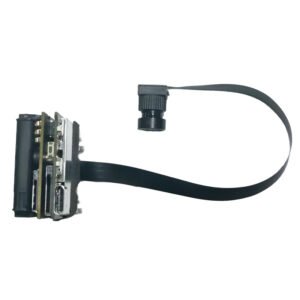
When people search for the best Sony camera, they often think about photography, video production, or content creation. However, in industrial imaging, document processing, and machine vision applications, the definition of a great camera is very different. The real question isn’t how cinematic the footage looks. It’s whether the camera can capture enough detail for software to accurately read, analyze, and process information. A blurry passport image can slow down identity verification. An unclear barcode can interrupt a logistics workflow. Poor image quality can reduce OCR accuracy and create unnecessary processing errors. In these situations, the camera becomes one of the most important components in the entire system. This is where a high-resolution Sony 4K camera such as the CBT-USB-16M-SV1.0 can make a meaningful difference. The Problem with Standard USB Cameras Most USB cameras are designed for video communication rather than information capture. They work well for meetings and general monitoring, but they often struggle when asked to record fine text, small QR codes, serial numbers, or detailed inspection data. The challenge becomes obvious when capturing: Identity documents Contracts and legal paperwork Product labels Manufacturing components Medical records Inventory tracking codes At first glance, the image may appear acceptable. Once software begins processing the image, however, missing details can quickly affect accuracy. For businesses relying on OCR, automated inspection, or machine vision systems, those small image imperfections often become expensive operational problems. Why the Sony IMX298 Sensor Makes a Difference At the heart of the CBT-USB-16M-SV1.0 is Sony’s IMX298 image sensor, a 16-megapixel backside-illuminated CMOS sensor designed to capture high levels of detail while maintaining excellent image quality. Unlike lower-resolution cameras that may struggle with fine text and small objects, the IMX298 captures images at a resolution of 4656 × 3496 pixels. This allows the camera to preserve details that can be critical for automated analysis. Whether scanning a document, reading a QR code, or inspecting a manufactured component, higher image clarity provides software with better information to work from. For organizations evaluating the best Sony camera for document processing or industrial imaging, resolution remains one of the most important factors . More Than Just a Sony 4K Camera While the phrase Sony 4K camera often refers to video quality, this module offers benefits that go beyond resolution alone. The camera supports: Auto Focus and Manual Focus MJPEG and YUYV video formats USB Video Class (UVC) compatibility Windows, Linux, Android, and Raspberry Pi support M12 interchangeable lens system This combination allows developers to integrate the camera into a wide range of environments without dealing with complicated driver installations or proprietary software. In many projects, ease of deployment can be just as important as image quality itself. Why Autofocus Matters in Real Applications Many imaging systems operate in environments where objects are constantly moving or positioned differently. Documents may not sit perfectly flat. Product packaging can vary in size. Identification cards are often presented at different angles. The autofocus functionality built into the CBT-USB-16M-SV1.0 helps maintain image sharpness as conditions change. This improves consistency and reduces the need for manual adjustments. For fixed installations, users can switch to manual focus and lock the camera at a specific distance. This flexibility makes the camera suitable for both dynamic and controlled environments. Common Applications for High-Resolution Sony Imaging A high-quality Sony 4K camera can support a wide range of professional applications where image accuracy is essential. OCR and Document Digitization Capturing contracts, invoices, medical records, and historical archives requires enough detail for text recognition software to perform accurately. The 16MP sensor helps preserve small characters and handwritten information. Identity Verification Systems Airports, hotels, financial institutions, and self-service kiosks depend on clear images of passports, licenses, and identification cards. Autofocus and high resolution help improve image quality during capture. Industrial Inspection Manufacturing operations often need to inspect labels, serial numbers, assembly quality, and component placement. High-resolution imaging makes it easier to identify small details that might otherwise be missed. Logistics and Warehouse Automation Barcode scanning, package tracking, and inventory management systems rely heavily on image quality. A camera capable of capturing both wide viewing areas and detailed information can improve workflow efficiency. Built for Easy Integration One of the reasons many developers prefer a USB-based Sony 4K camera is the simplicity of integration. The CBT-USB-16M-SV1.0 supports standard UVC protocols, allowing it to operate with most major operating systems without requiring custom drivers. This means developers can focus on building applications rather than spending time troubleshooting compatibility issues. Whether used with Windows workstations, Linux systems, Android terminals, or embedded computing platforms, the camera can be integrated into existing workflows with minimal effort. Is This the Best Sony Camera for Every Project? Not necessarily. The best Sony camera depends entirely on the application. A content creator may prioritize video features. A photographer may focus on lens options. An industrial engineer will likely care more about image detail, system integration, and reliability. For OCR systems, document scanners, machine vision projects, inspection equipment, and automated verification platforms, the CBT-USB-16M-SV1.0 offers a strong combination of high-resolution imaging, autofocus functionality, and straightforward USB connectivity. Final Thoughts Choosing a camera for an industrial or automation project involves more than comparing specifications. Image quality influences everything that happens afterward, from OCR accuracy and barcode recognition to inspection reliability and machine vision performance. For organizations searching for a dependable Sony 4K camera that can capture fine details while remaining easy to integrate, the CBT-USB-16M-SV1.0 provides a practical and versatile solution. Its Sony IMX298 sensor, autofocus capability, and plug-and-play USB design make it a strong candidate for teams looking for the best Sony camera for professional imaging applications where accuracy matters most.

Read More »
Camera Module
Opti Bridge Solutions

ESP32 Camera Module with OV2640 Sensor: Features, Specifications, and Applications

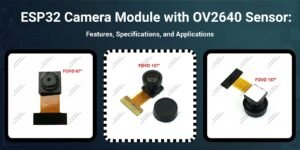
As visual sensing becomes increasingly important in IoT and embedded systems, camera modules are now used in everything from smart security devices and industrial monitoring equipment to robotics and automation projects. For ESP32-based applications, choosing a camera module that balances image quality, performance, and power efficiency is essential. The CBT-2640DVP-V1.0 camera module from Shenzhen Brilliant CMOS Technology is based on the OmniVision OV2640, a 2-megapixel CMOS image sensor widely used in ESP32 camera solutions. Combining compact dimensions, built-in image processing, and multiple output formats, the module provides a practical imaging solution for developers and product designers working on connected devices. Understanding the OV2640 Image Sensor The OV2640 is a 1/4-inch CMOS image sensor capable of capturing images at resolutions up to 1600 × 1200 pixels (UXGA). One of its key advantages is the integrated Image Signal Processor (ISP), which performs image optimization directly on the sensor before data is sent to the microcontroller. This hardware-level processing helps reduce the workload on the ESP32 and improves overall system efficiency. Key ISP functions include: Automatic Exposure Control (AEC) Automatic White Balance (AWB) Automatic Gain Control (AGC) Noise Reduction Processing Image Color Correction These features help maintain image clarity across different lighting conditions while reducing the amount of software processing required. Technical Specifications Specification Details Model CBT-2640DVP-V1.0 Sensor OmniVision OV2640 Resolution 2MP (1600 × 1200) Optical Format 1/4-inch CMOS Pixel Size 2.2μm × 2.2μm Output Formats YUV422, YUYV, RGB565, Raw RGB Maximum Frame Rate Up to 30 FPS Interface 24-Pin DVP Focus Type Fixed Focus Focus Range 60cm to Infinity Operating Temperature 0°C to 60°C Storage Temperature -20°C to 70°C Module Size 20.05mm × 12.5mm × 5.1mm Benefits of Integrated Image Processing In many embedded systems, processing power and memory are limited resources. By handling exposure adjustment, color correction, and noise reduction internally, the OV2640 sensor allows the ESP32 to dedicate more resources to communication, control logic, and application-specific tasks. This becomes particularly valuable in applications such as: Wireless video streaming Motion detection systems Remote monitoring devices Edge AI applications Battery-powered IoT products The result is improved efficiency without requiring additional processing hardware. Lens Options for Different Applications Different projects require different viewing angles. To support a wider range of use cases, the module is available with multiple lens configurations. Standard 67° Lens The standard lens provides a balanced field of view with minimal distortion. It is suitable for: Object recognition QR and barcode scanning OCR applications Access control systems Close-range monitoring 160° Wide-Angle Lens The wide-angle option captures a significantly larger viewing area and is useful when broader coverage is required. Common applications include: Indoor security cameras Smart home monitoring Robotics Drone imaging Environmental observation systems The wider field of view allows a single camera to cover more space without requiring additional hardware. Day and Night Imaging Support The module supports integration with IR-CUT filter systems for applications that require operation in changing lighting conditions. During daytime operation, the infrared filter helps maintain accurate color reproduction. At night, the filter can be removed in conjunction with infrared illumination, allowing the camera to capture clear monochrome images in low-light or dark environments. This capability makes the module suitable for: Security systems Outdoor monitoring equipment Access control devices Smart surveillance applications Common Applications Thanks to its compatibility with ESP32 platforms and compact design, the OV2640 camera module can be integrated into a wide variety of projects. Smart Home Devices The module is commonly used in: Video doorbells Home monitoring systems Smart pet monitoring devices Connected appliances Industrial Monitoring In industrial environments, it can support: Equipment monitoring Visual inspection systems Indicator light monitoring Production line observation Agriculture and Environmental Monitoring Low power consumption makes the module suitable for remote installations such as: Greenhouse monitoring Crop observation systems Environmental data collection stations Robotics and Educational Projects Its small footprint and simple interface make it popular for: Mobile robots Autonomous vehicles STEM education projects Remote-controlled systems Integration with ESP32 Platforms The 24-pin DVP interface allows straightforward integration with ESP32 camera development boards and custom hardware designs. Supported output formats provide flexibility for different software environments, while the compact form factor simplifies installation in space-constrained devices. Developers can use the module for image capture, video streaming, machine vision experiments, and IoT applications without requiring dedicated image-processing hardware. Frequently Asked Questions What resolution does the module support? The camera supports image capture up to UXGA resolution (1600 × 1200 pixels), providing detailed images for monitoring and embedded vision applications. Does the module support video streaming? Yes. The OV2640 sensor supports frame rates of up to 30 FPS, making it suitable for real-time video transmission depending on system configuration and network bandwidth. Can the module be used in low-light environments? Yes. The integrated image processing features help improve image quality in challenging lighting conditions, and the module can be paired with IR-CUT systems for day and night operation. Is the focus adjustable? The standard version uses a fixed-focus lens calibrated from approximately 60cm to infinity. Alternative lens configurations may be available for applications requiring different focal characteristics. Why use a DVP interface? A Digital Video Port (DVP) provides high-speed parallel data transfer between the sensor and processor, allowing efficient image capture while maintaining stable performance. Conclusion The CBT-2640DVP-V1.0 camera module combines the proven OmniVision OV2640 image sensor with a compact design and integrated image processing capabilities. Its support for multiple output formats, flexible lens options, and compatibility with ESP32 platforms make it a practical solution for security systems, industrial monitoring, smart devices, robotics, and IoT applications. For developers seeking reliable image quality and straightforward integration, the module offers a balanced combination of performance, efficiency, and versatility.

Read More »

We will contact you within 1 working day, please pay attention to the email with the suffix “@cbritech.com”

One Request, Multiple Quotes