Modern healthcare relies heavily on visual diagnostics. Whether a clinician is examining the nasal cavity, inspecting the ear canal, evaluating soft tissue, or performing a detailed dental assessment, image quality plays a critical role in diagnosis and patient communication.
Over the past decade, the demand for advanced medical endoscope camera systems and high-resolution intraoral camera dental solutions has increased significantly. Healthcare providers are no longer looking for basic imaging devices. They need compact, reliable cameras capable of delivering clear, real-time images while maintaining patient comfort.
This shift has driven the development of smaller, more powerful imaging modules that can fit into extremely confined spaces without sacrificing image quality.
Why Image Quality Matters in Medical Imaging
A medical examination often depends on subtle visual details.
Small changes in tissue color, early signs of inflammation, tiny cracks in a tooth surface, or hidden areas within the oral cavity can all influence clinical decisions. If the imaging system cannot capture these details clearly, diagnosis becomes more challenging.
This is why image resolution, lighting performance, viewing angle, and thermal management are important considerations when selecting a medical endoscope camera.
For healthcare professionals, the goal is not simply to capture an image but to obtain a clear visual representation that supports accurate evaluation and treatment planning.
The Growing Role of Intraoral Cameras in Dentistry
Patient expectations have changed dramatically in modern dental practices.
Patients increasingly want to see what dentists see. Instead of relying solely on verbal explanations, dentists now use intraoral camera dental systems to display real-time images of teeth, gums, restorations, and treatment areas directly on a monitor.
This visual approach offers several advantages:
- Improved patient understanding
- Better treatment acceptance
- More accurate documentation
- Enhanced communication
- Easier monitoring of treatment progress
A compact camera with good illumination and close-range focus allows dental professionals to capture detailed images that may be difficult to observe with the naked eye alone.
What Makes a Good Medical Endoscope Camera?
Not all imaging modules are designed for healthcare environments.
Several characteristics are particularly important when selecting a medical endoscope camera:
Compact Diameter
A smaller camera diameter improves access to narrow anatomical pathways while helping maintain patient comfort during examinations.
Stable Image Quality
Consistent HD imaging allows clinicians to identify fine details without excessive distortion or image noise.
Reliable Illumination
Integrated LED lighting helps provide even illumination across examination areas, reducing shadows and improving visibility.
Low Heat Generation
Thermal control is essential for devices used near sensitive tissues. Excessive heat can affect comfort and limit operating time.
Flexible Integration Options
Different medical devices require different hardware layouts. Some applications benefit from an integrated design, while others require a separated architecture to maximize flexibility.
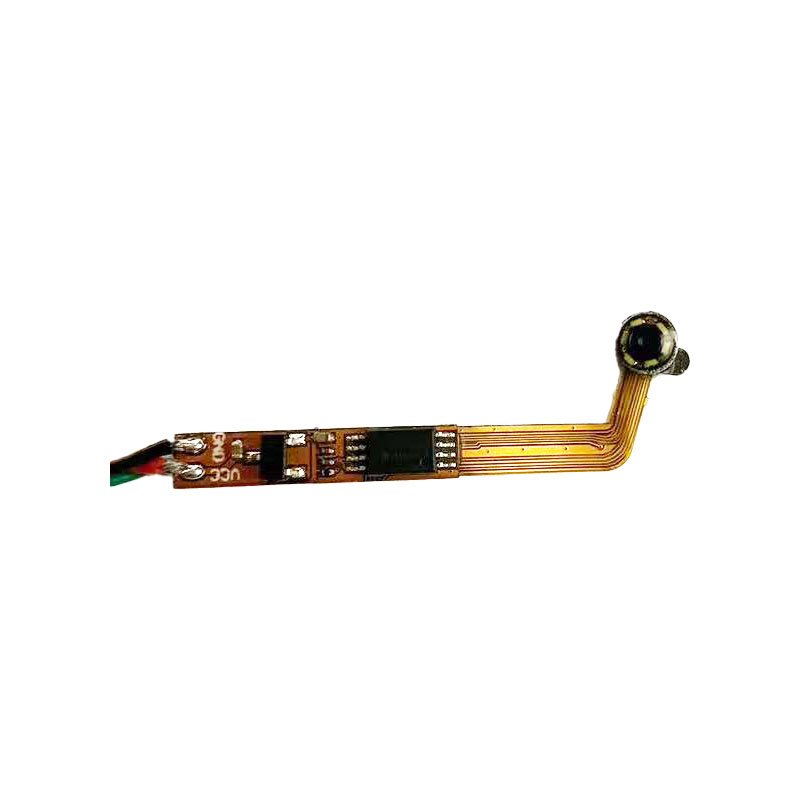
A Compact Imaging Solution from Shenzhen Brilliant CMOS Technology
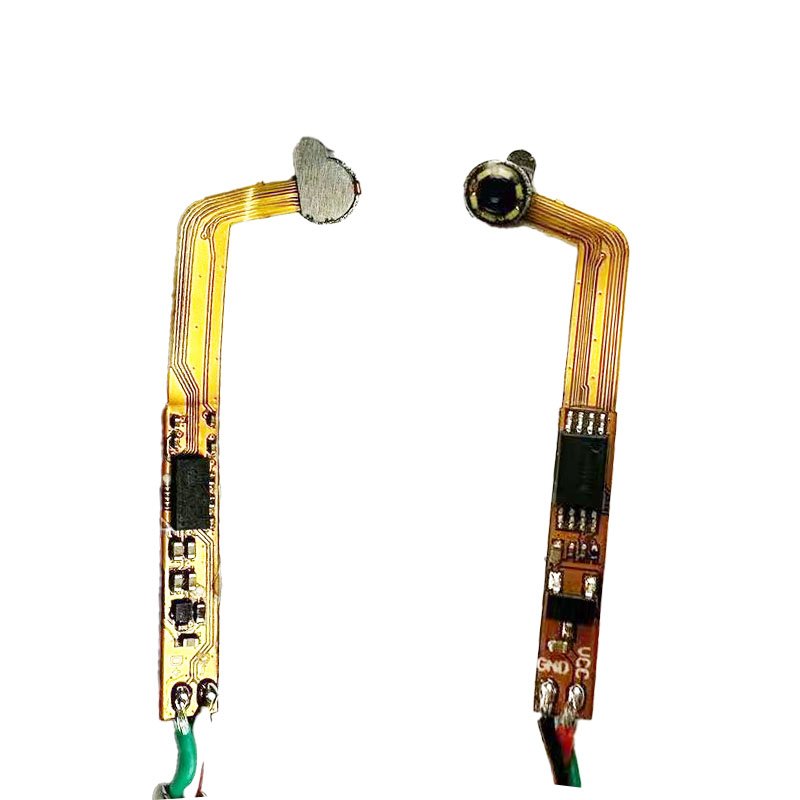
To support modern medical and dental imaging requirements, Shenzhen Brilliant CMOS Technology developed its 3.9mm 720P imaging module based on the OmniVision OV9734 CMOS sensor.
The ultra-slim camera head is designed for applications where space is limited but image quality remains critical.
Key features include:
- 3.9mm compact diameter
- 720P HD resolution
- 30 FPS real-time video
- Multiple lens options
- Integrated LED illumination
- USB and Wi-Fi connectivity options
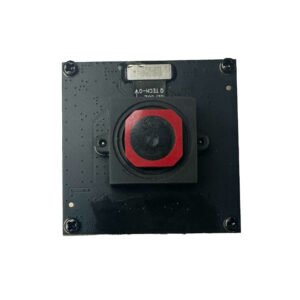
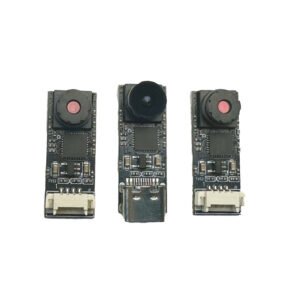
- Integrated and separated hardware configurations
The compact design makes the module suitable for both medical endoscope camera systems and intraoral camera dental equipment where maneuverability and visibility are equally important.
Applications in Medical and Dental Devices
ENT Examination Systems
The slim profile allows healthcare professionals to access narrow ear and nasal passages while maintaining a clear visual field throughout the examination.
Dental Imaging Equipment
When used as an intraoral camera dental solution, the module provides detailed visualization of teeth, restorations, gum tissue, and treatment areas.
Diagnostic Imaging Devices
The camera can be integrated into specialized diagnostic tools that require compact dimensions and consistent HD image quality.
Inspection of Difficult-to-Reach Areas
Its small diameter and customizable viewing angles allow clear observation of areas that may be difficult to access using larger imaging systems.

Choosing the Right Optical Configuration
Different clinical procedures require different viewing perspectives.
For detailed close-range inspections, narrower field-of-view lenses can provide greater magnification and clarity. Wider lens options help capture larger treatment areas and improve navigation during examinations.
Shenzhen Brilliant CMOS Technology offers multiple lens configurations ranging from 70° to 140°, allowing device manufacturers to select the most suitable optical profile for their intended application.
Final Thoughts
As healthcare continues to embrace digital imaging, the demand for reliable medical endoscope camera systems and advanced intraoral camera dental technology will continue to grow.
Image clarity, patient comfort, device size, and thermal performance all contribute to the effectiveness of modern diagnostic equipment.
By combining a compact 3.9mm design, HD imaging performance, flexible optical configurations, and multiple integration options, Shenzhen Brilliant CMOS Technology provides a practical imaging solution for developers creating next-generation medical and dental devices.