Introduction
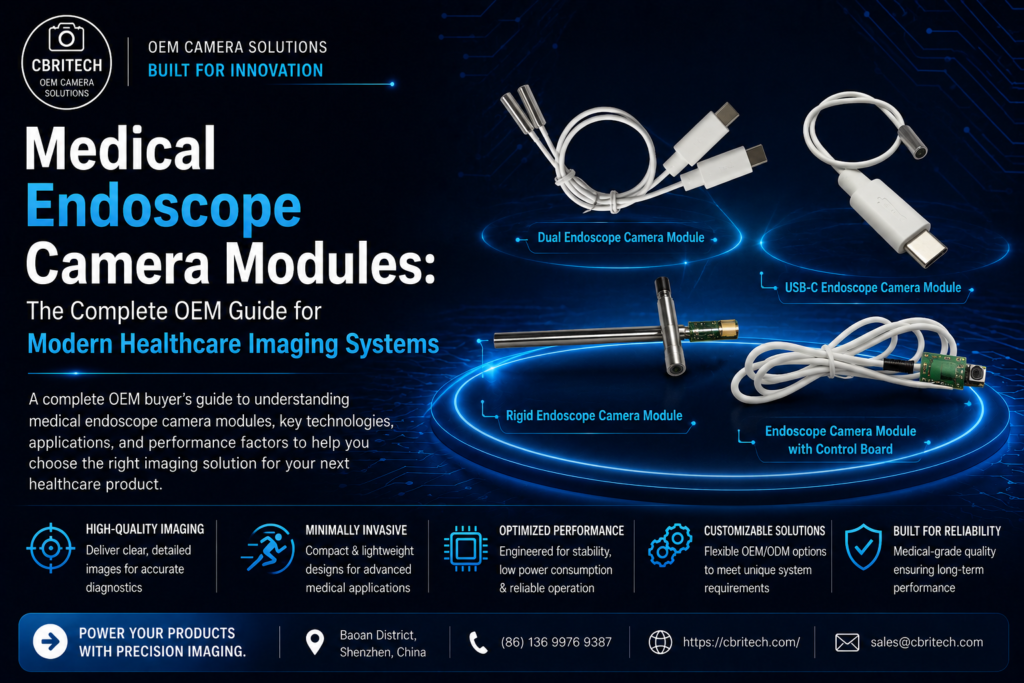
Medical imaging has transformed diagnosis and minimally invasive surgery. At the heart of every endoscope is a miniature imaging system that must deliver exceptional clarity while fitting into extremely compact devices. Selecting the right medical endoscope camera module requires balancing sensor performance, optics, integration, reliability, and long-term manufacturability. Modern OEMs increasingly require customized camera solutions that support AI-assisted diagnostics, HD imaging, and compact medical equipment.
Why Medical Endoscope Camera Modules Matter
High-quality imaging improves diagnostic confidence, procedural efficiency, and patient outcomes. Poor image quality can reduce visibility, increase procedure time, and affect clinical decision-making. Modern camera modules are therefore engineered to provide excellent color reproduction, low-light performance, stable video, and compact integration.
Understanding the Camera Module
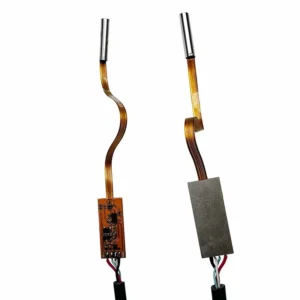
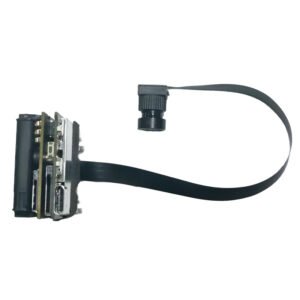
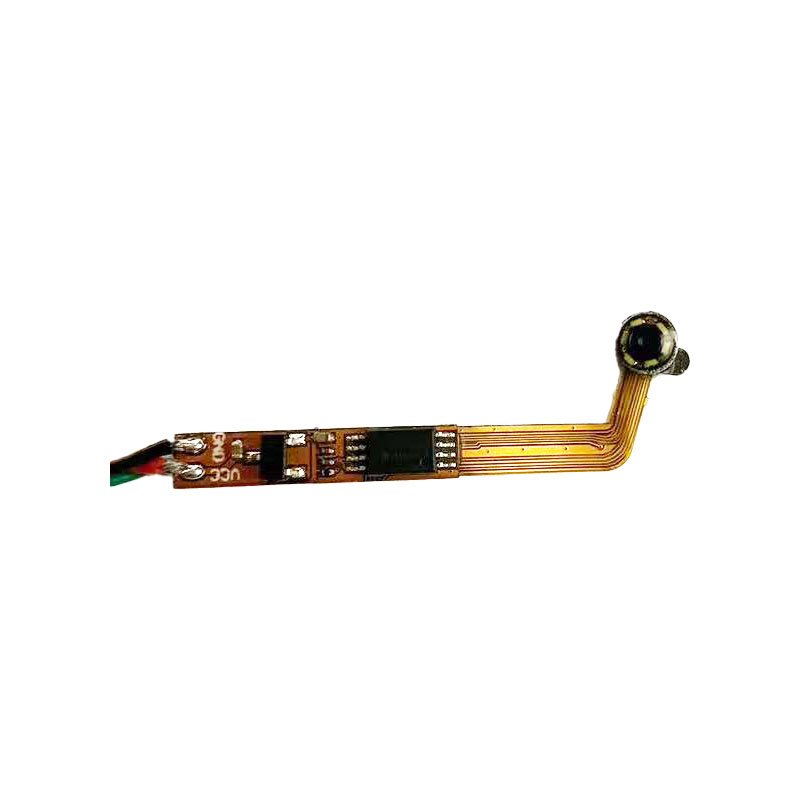
A medical endoscope camera module integrates a CMOS image sensor, precision optics, PCB, flexible cable, connector, and supporting electronics into a miniature package capable of transmitting high-quality images to the host system.
How It Works
Light enters through precision optics, reaches the CMOS sensor, is converted into digital data, processed by the ISP for white balance, exposure, noise reduction, and color correction, then displayed in real time for the clinician.
Choosing the Right Sensor
Resolution, pixel size, sensitivity, frame rate, shutter type, and lifecycle support should all be evaluated. The ideal sensor depends on the intended medical application rather than simply having the highest megapixel count.
Flexible vs Rigid Endoscopes
Flexible systems prioritize miniature dimensions and cable flexibility for gastrointestinal and pulmonary procedures, while rigid systems emphasize optical precision and image quality for laparoscopic and arthroscopic surgery.
Disposable vs Reusable
Disposable devices reduce cross-contamination risks, whereas reusable systems focus on long-term durability and sterilization compatibility.
OEM Customization
Manufacturers often require custom lens selection, PCB dimensions, connector orientation, ribbon cable length, ISP tuning, housing design, and interface compatibility to meet product requirements.
Engineering Challenges
Signal integrity, thermal management, optical alignment, EMC, sterilization, miniature packaging, and component lifecycle management are major engineering considerations.
AI in Endoscopy
AI-assisted detection, image enhancement, lesion identification, and workflow automation are increasing the importance of consistent, high-quality imaging data.
Conclusion
The best medical endoscope camera module is one that matches the complete system design. By combining the appropriate sensor, optics, customization, and engineering support, OEMs can build reliable next-generation healthcare imaging products.
FAQs
What is a medical endoscope camera module?
A miniature imaging system integrated into endoscopes for diagnostic and surgical visualization.
Can camera modules be customized?
Yes. Sensor, optics, PCB, cable, connector, firmware, and image tuning can all be customized for OEM projects.
Which interface should I choose?
MIPI is preferred for embedded medical devices, while USB is suitable for external systems and rapid prototyping.
Call to Action
Developing a next-generation medical imaging device? Contact CBRITECH to discuss customized medical endoscope camera modules designed for your OEM requirements.